
How to Develop an Emergency Response Plan for Houston’s Shopping Malls
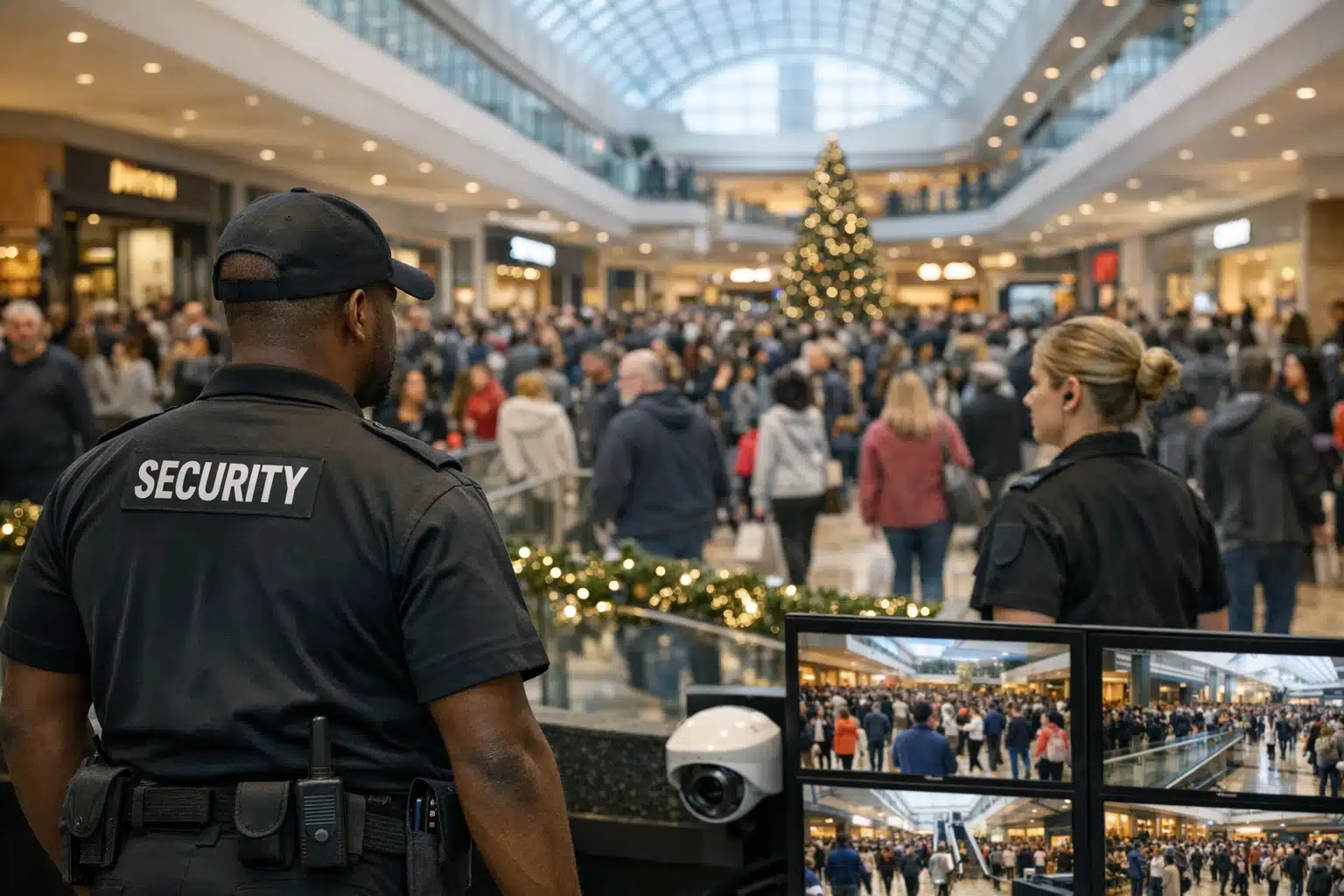
Houston shopping malls face unique security challenges during hurricane season, holiday crowds, and the increasing threat of active shooter situations. Mall managers need a detailed emergency response plan that addresses everything from medical emergencies to severe weather evacuations.
The Galleria area alone sees over 30 million visitors annually. Without proper emergency protocols, a crisis can quickly overwhelm mall security and endanger thousands of shoppers.
Risk Assessment for Houston Shopping Centers
Houston malls must plan for specific regional threats that differ from shopping centers in other cities. Shopping mall security Houston teams face challenges ranging from flash flooding to extreme heat emergencies.
Weather-Related Emergencies
Houston’s climate creates several emergency scenarios:
- Flash floods: Memorial City Mall and other west Houston locations flood during heavy rainfall
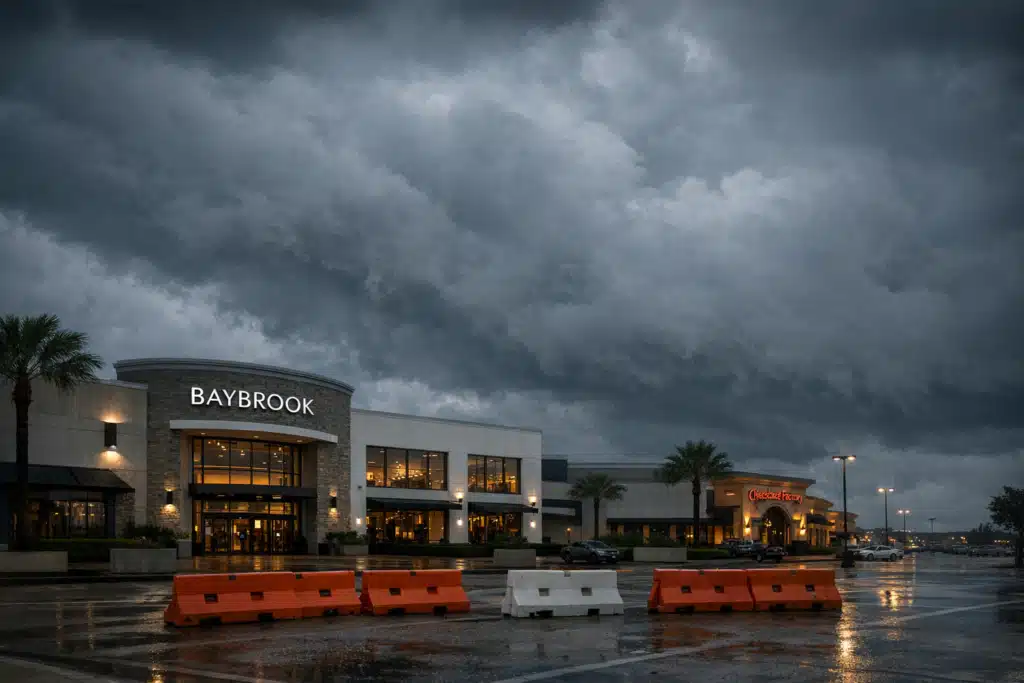
- Hurricane evacuations: Coastal malls like Baybrook Mall need 48-hour closure protocols
- Heat emergencies: Parking lot medical calls spike when temperatures exceed 100°F
- Power outages: Summer storms knock out electricity to major shopping centers
Security Threats
Mall managers must prepare for human-caused emergencies. Active shooter drills have become mandatory at most Houston shopping centers since 2018.
Theft and robbery incidents increase 40% during holiday seasons at Houston malls. Your emergency response plan must address both immediate threats and crowd control during high-traffic periods.
Creating Your Emergency Response Plan Framework
Every Houston shopping mall needs four core emergency protocols. Each protocol should include specific roles, communication steps, and coordination with local authorities.
Medical Emergency Protocol
Medical emergencies account for 60% of all emergency calls at Houston shopping centers. Your plan should include:
- First responder identification: Name three staff members trained in CPR at each entrance
- AED locations: Place automated external defibrillators near food courts and anchor stores
- Emergency vehicle access: Keep loading dock areas clear for ambulance entry
- Communication protocol: Security contacts 911, then notifies mall management within two minutes
Evacuation Procedures
Houston fire marshals require evacuation plans that account for mobility-impaired shoppers. The Galleria’s recent renovation added evacuation chairs at each elevator bank.
Your evacuation protocol must include:
- Primary and secondary exit routes posted at every store entrance
- Assembly points located at least 150 feet from building exits
- Staff assignments for checking restrooms and storage areas
- Communication with Harris County Emergency Management
Active Threat Response
Houston Police Department recommends the “Run, Hide, Fight” protocol for shopping mall active shooter situations. Your plan should designate lockdown procedures for each store type.
Anchor stores like Macy’s and Nordstrom need different protocols than smaller retail spaces. Large stores can shelter customers in stockrooms, while smaller shops may need immediate evacuation.
Communication Systems and Technology
Emergency communications must reach shoppers, staff, and first responders simultaneously. Modern Houston malls use multiple notification methods to prevent information delays.
Public Address Integration
Your PA system should connect to security offices, management areas, and maintenance departments. West Oaks Mall upgraded their system in 2023 to include automatic weather alerts from Harris County.
Test your PA system weekly. Background music and crowd noise can make emergency announcements difficult to hear during peak shopping hours.
Mobile Alert Systems
Many Houston shopping centers now use text message alerts for emergencies. Shoppers opt into alerts when connecting to mall WiFi networks.
Mobile alerts work when PA systems fail during power outages. Include a backup cellular communication plan for extended emergencies.
Coordination with Houston Emergency Services
Houston Fire Department response times average 6 minutes to major shopping centers. Your emergency response plan must bridge the gap between incident occurrence and professional emergency response.
Police Department Partnerships
Harris County Sheriff’s Office patrol units conduct regular walk-throughs at malls in unincorporated areas. Schedule monthly meetings with your assigned community liaison officer.
Provide police with updated floor plans, security camera locations, and after-hours contact information. Memorial City Mall shares real-time security feed access with Houston PD during major events.
Fire Department Coordination
Houston Fire Department requires annual inspections of mall emergency systems. Schedule these inspections during low-traffic periods to avoid disrupting normal operations.
Fire department connections should be clearly marked and accessible 24/7. Remove decorative elements that might block emergency vehicle access during construction or renovation projects.

 Posted on Google
Staff Training and Emergency Drills
Your emergency response plan only works when staff members understand their specific roles. Houston malls typically conduct quarterly emergency drills during non-peak hours.
Security Team Responsibilities
Mall security officers need training beyond basic crowd control. Modern threats require de-escalation techniques and emergency medical response skills.
Security staff should complete:
- Active shooter response training with Houston Police Department
- CPR and first aid certification renewal every two years
- Crisis communication workshops with mall management
- Weather emergency protocols specific to Houston’s climate
Retail Staff Integration
Individual store employees must understand mall-wide emergency procedures. Many stores have their own corporate emergency protocols that conflict with mall procedures.
Create standardized emergency response cards for all retail partners. Include store-specific information like safe room locations and emergency supply storage.
Post-Emergency Recovery Planning
Emergency response continues after immediate threats end. Houston malls need protocols for damage assessment, business continuity, and public communication.
Damage Assessment Teams
Assign facility management staff to assess structural damage, utility systems, and security equipment after emergencies. Document everything with photos for insurance claims.
West Houston shopping centers learned hard lessons during Hurricane Harvey. Flood damage assessments took weeks because proper documentation procedures were not in place.
Business Continuity
Plan for partial reopening scenarios when some mall areas remain closed. Memorial Hermann has a clinic inside Memorial City Mall that continues operating even when retail areas close.
Coordinate with anchor stores on independent reopening decisions. Major retailers often have corporate policies that override mall management preferences.
A well-designed emergency response plan protects both shoppers and your business investment. Houston shopping centers that implement detailed emergency protocols reduce liability exposure and build stronger relationships with local emergency responders.
Twin City Security Houston works with shopping mall managers throughout the Greater Houston area to develop customized emergency response plans. Our team understands Houston’s unique challenges and maintains strong relationships with local police and fire departments. Contact us at 832-301-9478 or Houston@Twincitysecurity.com to schedule your emergency planning consultation.
Sources
Recent Posts