
What Houston’s Suburban Crime Trends Mean for Business Security
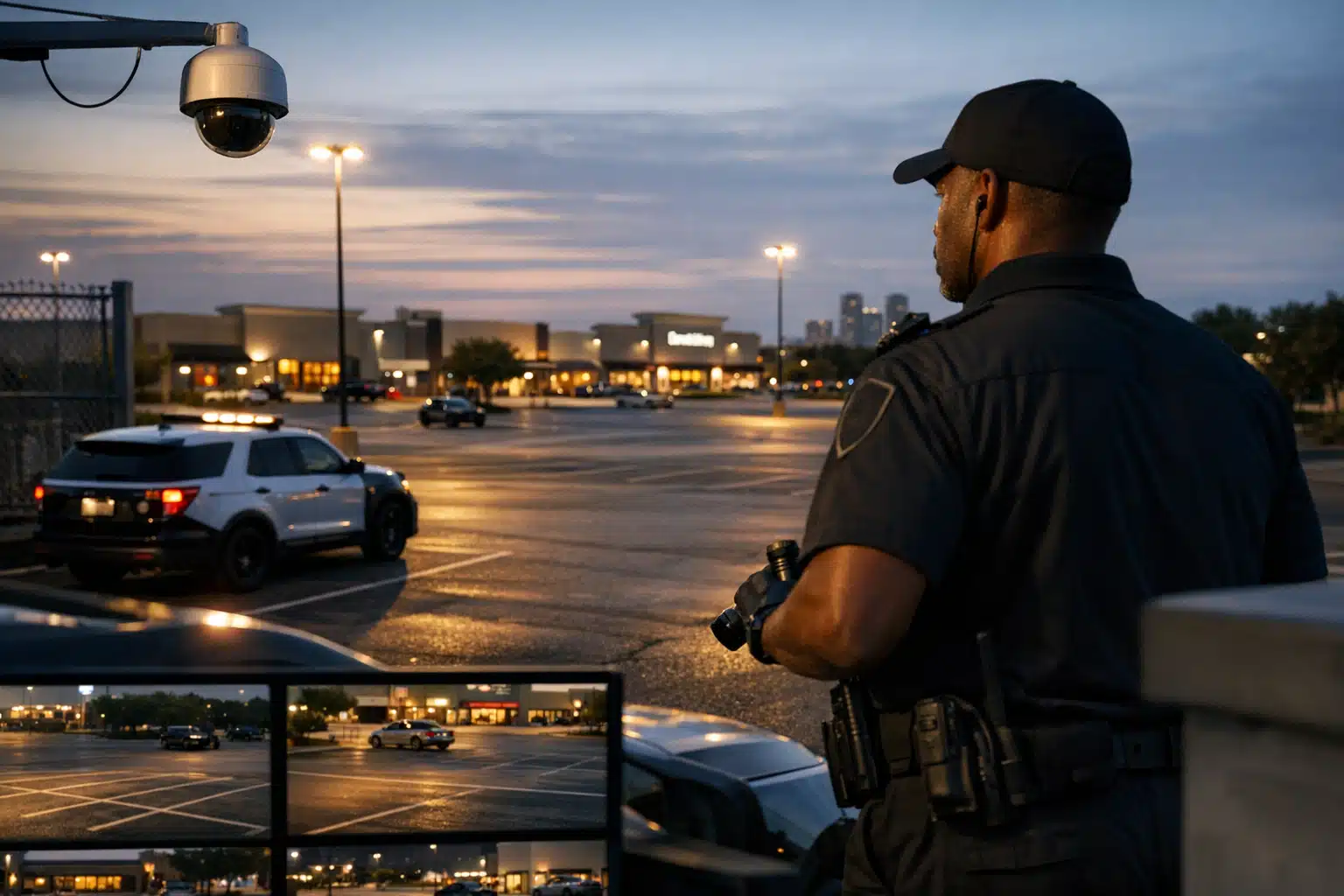
Suburban Crime Trends Are Reshaping Where Houston Businesses Face Risk
Property crime in Greater Houston no longer clusters only inside the 610 Loop. Recent suburban crime trends show theft, vehicle burglary, and commercial break-ins moving outward into Katy, Cypress, Spring, and Clear Lake.
For business owners who chose the suburbs partly for safety, that shift changes the math. This post explains what the data shows, why it happens, and what practical steps protect your property.
The short version: suburban business districts now carry risk profiles that once belonged to urban corridors. Planning your business security Houston strategy around old assumptions leaves gaps.
What Houston Suburban Crime Trends Show Right Now
Population growth drives most of the change. Harris and surrounding counties added hundreds of thousands of residents over the past decade, and commercial development followed.
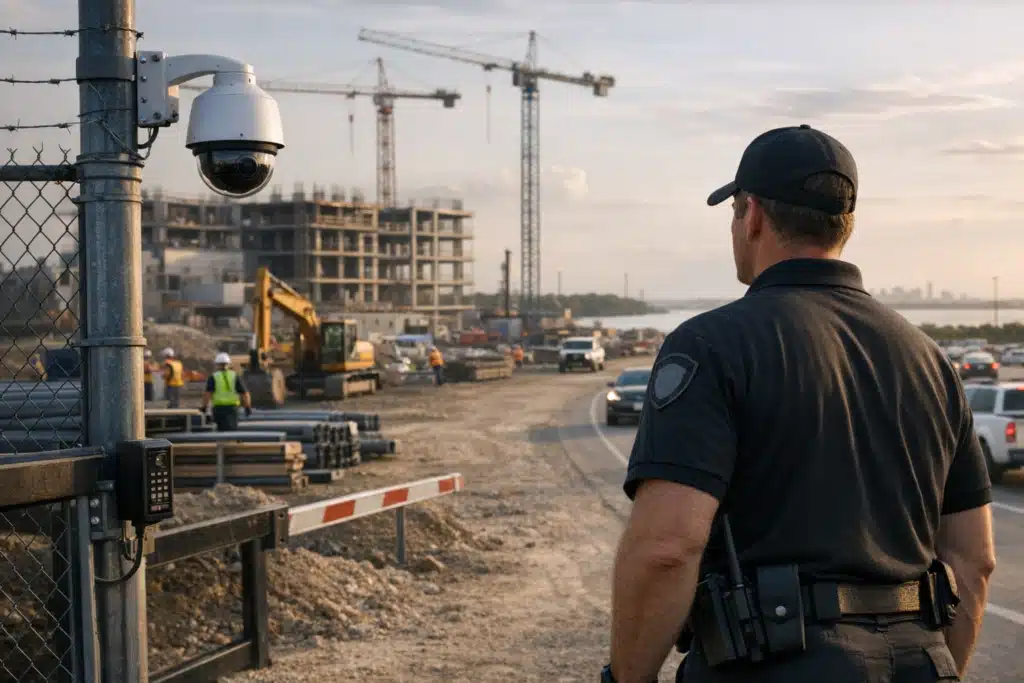
More retail centers, warehouses, and mixed-use projects mean more targets. Crime patterns track opportunity, and opportunity has spread west and north.
Where the Pressure Is Building
- Katy and Fulshear: Rapid retail and warehouse growth along I-10 and the Grand Parkway draws cargo theft and after-hours burglary.
- Cypress and Spring: Strip centers and standalone stores report rising smash-and-grab incidents.
- The Woodlands and Conroe: Vehicle theft from commercial lots climbed as commuter traffic grew.
- Clear Lake and the Bay Area: Construction sites and marine-adjacent facilities face equipment and copper theft.
These are not isolated events. They form a pattern tied to easy highway access and lower foot traffic at night.
Why Suburbs Attract Certain Crimes
Suburban commercial sites share features that offenders read as low-risk. Large parking lots, long perimeters, and limited overnight staff all reduce the chance of getting caught.
Fast highway on-ramps let thieves reach a site and leave within minutes. A warehouse off the Grand Parkway can be emptied of catalytic converters before anyone notices.
Response time matters here. Suburban police cover larger areas per patrol unit than dense urban districts. That gap is exactly what remote monitoring is built to close.
What Suburban Crime Trends Mean for Your Business Security
Suburban crime trends translate into three concrete risks for local operators. Each one calls for a different countermeasure.
1. After-Hours Property Crime
Break-ins and theft peak when sites sit empty. Retail centers in Cypress and warehouses in Katy report most losses between midnight and 5 a.m.
Static cameras that only record do little here. By the time footage gets reviewed, the goods are gone and insurance paperwork begins.
Live remote video monitoring changes the equation. Trained operators watch feeds in real time and intervene the moment activity starts.
2. Construction Site Theft
Suburban construction booms across Fulshear, Manvel, and Conroe. Active sites hold copper wire, tools, lumber, and heavy equipment worth thousands.
Thieves target sites during the framing and rough-in stages. Materials sit exposed, and fencing is often temporary.
To protect a Houston-area construction site, follow these steps:
- Map the vulnerable window. Identify the days materials sit on-site before installation.
- Add mobile surveillance towers. Solar or generator units cover open ground without permanent wiring.
- Use live monitoring with voice-down warnings. Operators speak directly to intruders through on-site speakers.
- Coordinate verified alarm response. Verified events get faster police priority than blind alarms.
- Log every incident. Documentation supports insurance claims and future site planning.
3. Retail and Parking Lot Incidents
Suburban shopping centers face daytime theft and nighttime vehicle crime. Customers and staff both feel the effect.
A visible guard presence during business hours deters shoplifting and reassures shoppers. After close, video monitoring covers the lot when guards leave.
On-Site Guards Versus Remote Monitoring for Suburban Sites
The right mix depends on your property type, hours, and budget. Both approaches have clear strengths.
When On-Site Guards Make Sense
- Properties with public interaction, such as retail centers and apartment communities.
- Sites needing access control at gates or lobbies.
- Locations where physical presence prevents confrontation from escalating.
- Energy and port facilities with compliance requirements for personnel on-site.
When Remote Video Monitoring Wins
- Large perimeters that a single guard cannot cover on foot.
- Overnight coverage where staffing a guard all night costs more than it returns.
- Construction sites with open ground and temporary layouts.
- Multi-location operators wanting one monitoring center across sites.
Many suburban clients run a combination. Guards handle daytime access, and remote operators cover the empty overnight hours at a lower cost.
Gulf Coast Weather Adds a Second Layer of Risk
Suburban crime spikes during and after major storms. Hurricane season, June through November, creates conditions that offenders exploit.
Evacuated neighborhoods and powered-down commercial districts become targets. Looting and equipment theft rise when businesses close and staff leave the area.
Storm-Season Security Steps for Suburban Businesses
- Confirm backup power for cameras. Battery or generator support keeps monitoring active during outages.
- Pre-stage a coverage plan. Decide who watches your site if staff evacuate.
- Document assets before the storm. Photos and inventory speed insurance recovery.
- Secure loose equipment. Reduce both theft and wind-damage risk in one move.
Remote monitoring keeps eyes on your property even when no one can safely stay. That coverage matters most in Clear Lake, the Bay Area, and other flood-prone zones.

 Posted on Google
Energy and Port Facilities in the Suburban Path
Suburban growth now surrounds sites that were once isolated. Facilities along the Ship Channel and near the Energy Corridor sit closer to residential and retail sprawl.
Closer neighbors mean more foot traffic, more access points, and more chances for trespassing. Perimeter integrity gets harder to hold as the area fills in.
Energy facility protection requires layered coverage: fixed cameras on the fence line, thermal detection for low-light zones, and trained operators who know a legitimate contractor from an intruder. For port-adjacent sites, cargo theft and unauthorized dock access top the list of concerns.
Building a Security Plan Around Suburban Crime Trends
Start with a site assessment, not a product order. The goal is matching coverage to how offenders actually approach your property.
A practical assessment answers these questions:
- When does the site sit empty, and for how long?
- Where are the blind spots along the perimeter?
- How fast can local police respond to a verified event?
- What assets carry the highest theft value?
- How does storm season change the risk?
Answers here shape whether you need guards, cameras, or both. They also set the schedule and camera placement that actually deter crime.
Twin City Security Houston builds plans around these questions for suburban clients across Katy, Cypress, The Woodlands, and Clear Lake. Local knowledge of response times and crime patterns shapes every recommendation.
Conclusion
Suburban crime trends have pushed real risk into Houston’s growth corridors, and old assumptions about safe suburbs no longer hold. Matching on-site guards and remote video monitoring to your property’s actual exposure closes the gaps that offenders count on.
Get a site-specific assessment from Twin City Security Houston. Call 832‑301‑9478, email Houston@Twincitysecurity.com, or visit https://www.twincitysecurityhouston.com for a monitoring quote.
Sources
Recent Posts