
The Impact of Houston’s Crime Trends on Warehouse Security
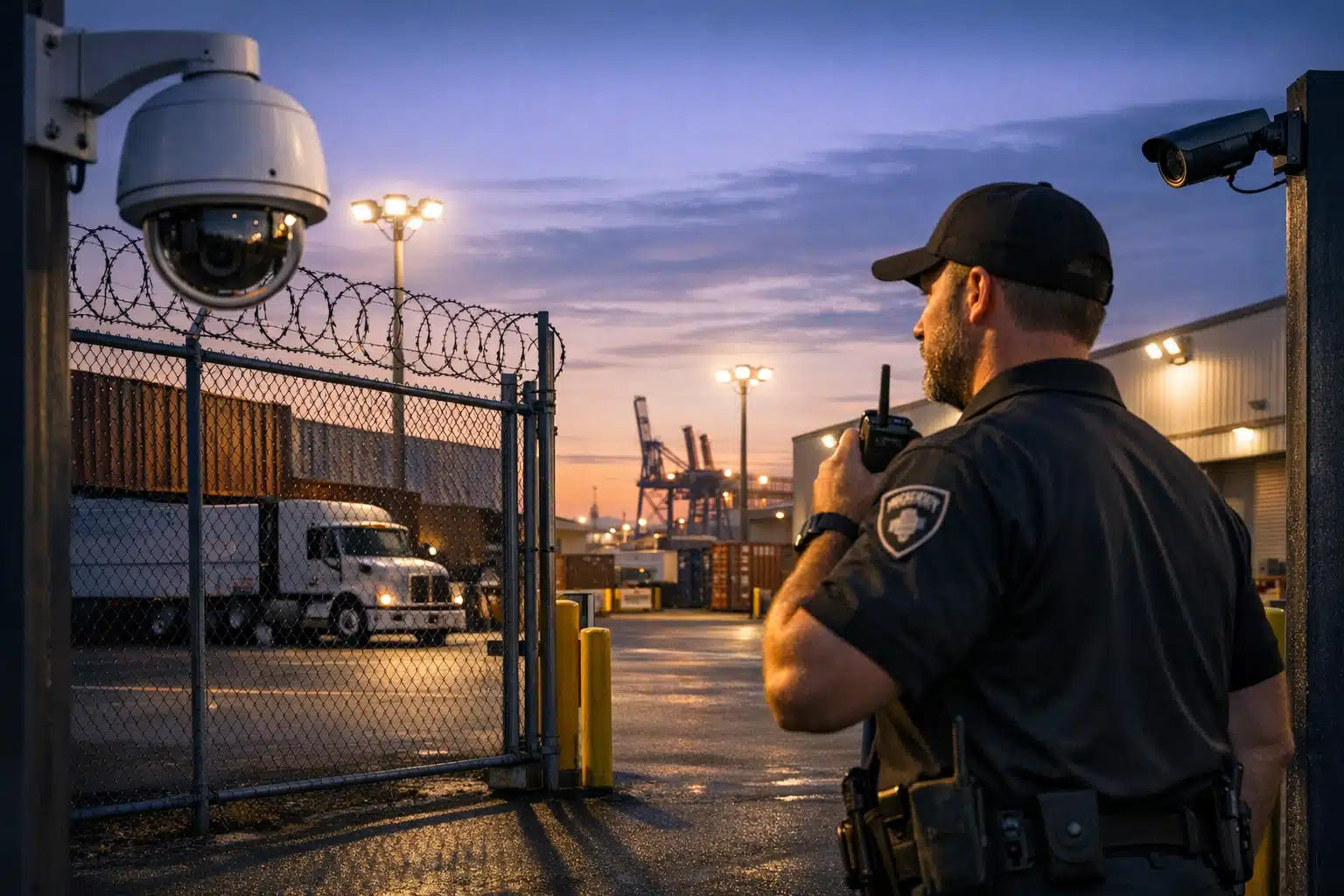
Houston ranks among the top U.S. metros for cargo theft, with the Port of Houston and surrounding distribution hubs drawing organized crews. Warehouse security has become a frontline concern for operators across the region. This post breaks down how shifting crime patterns affect warehouse risk and what owners can do about it.
The stakes are real. A single trailer of stolen electronics or copper can cost six figures. Add downtime, insurance fallout, and broken supply contracts, and the damage multiplies.
How Houston Crime Impact Reaches Warehouse Operations
The Houston crime impact on warehouses centers on three patterns: cargo theft, metal theft, and after-hours break-ins. Each targets a different weakness in your facility.
Cargo theft spikes near major freight corridors. Warehouses along the East Loop, near the Port of Houston, and along the I-10 East corridor see the heaviest activity.
Metal theft rises with copper and catalytic converter prices. Construction-adjacent warehouses and HVAC-heavy buildings draw thieves cutting fence lines for wire and equipment.
Where Houston Warehouses Face the Most Risk
- Port of Houston district — high-value cargo and trailer staging draw organized theft crews.
- East End and Fifth Ward — older fencing and limited lighting create entry points.
- North Houston / Greenspoint — distribution density attracts repeat offenders.
- Katy and West corridor — fast growth outpaces perimeter upgrades on newer sites.
Location shapes your threat profile. A Clear Lake warehouse storing aerospace parts faces different risks than a Katy e-commerce fulfillment center.
Why Warehouse Security Needs Have Changed in Houston
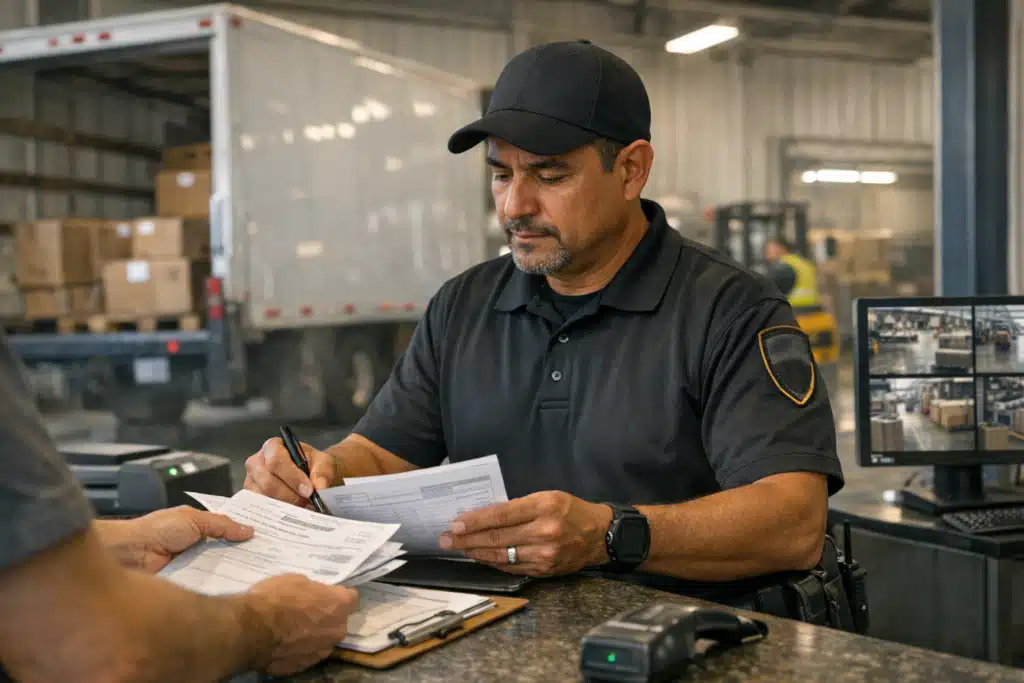
Thieves study patterns. They watch shift changes, delivery windows, and security gaps before striking. Modern crews use rented box trucks and forged paperwork to walk product out the front gate.
Two trends drive the shift in warehouse security planning:
- Organized fraud — fictitious pickups using cloned carrier credentials. Product leaves legally on paper but vanishes in reality.
- Fence-line theft — quick cuts through perimeter mesh for trailers, catalytic converters, and stored metal.
Both require detection before the loss, not after. A camera that records a theft helps police later. A monitored camera that triggers a live response stops it.
The Cost of Reacting Too Late
Insurance does not cover everything. Deductibles, premium hikes, and lost contracts hit your bottom line hard.
One missed pallet of pharmaceuticals or electronics can exceed a year of monitoring costs. Prevention pays for itself fast.
Building a Warehouse Security Plan for Houston Conditions
Effective warehouse protection layers people, technology, and procedure. No single tool covers every gap.
Start with an honest risk assessment. Map your high-value zones, blind spots, and access points.
Steps to Strengthen Your Houston Warehouse
- Audit your perimeter. Walk the fence line at night. Find dark corners, cut points, and unmonitored gates.
- Control the dock. Verify carrier credentials against scheduled pickups. Confirm driver identity before release.
- Add remote video monitoring. Live operators watch feeds after hours and intervene in real time.
- Post on-site guards during peak risk. Shift changes and overnight hours need a physical presence.
- Improve lighting. Bright, motion-triggered lights remove the cover thieves depend on.
- Log every entry. Track vehicles, visitors, and after-hours access with timestamps.
Remote Video Monitoring vs. Recorded Cameras
Recorded cameras document crime. Monitored cameras prevent it.
With remote video monitoring, trained operators watch live feeds. When motion triggers an alert, they assess and respond. A voice-down warning over speakers stops most intruders before damage occurs.
For Houston warehouses with large yards, this approach covers ground a single guard cannot. It pairs well with on-site officers for full coverage.
Gulf Coast Weather Adds Another Layer
Hurricane season changes the threat picture. When a storm forces evacuation, warehouses sit empty and exposed.
Looters target vacated facilities during and after major storms. Power outages disable unmonitored alarm systems.
Protecting Your Warehouse During Storm Season
- Battery-backed cameras keep monitoring active during outages.
- Remote operators watch evacuated sites when staff cannot be present.
- Pre-storm walkthroughs secure loose equipment and document inventory.
- Post-storm response plans assign who checks the site first and when.
A warehouse that loses power and cameras during a hurricane is an open target. Backup systems and live monitoring close that window.

 Posted on Google
Texas Regulations and Security Staffing
Texas requires security companies and officers to hold proper licensing under the Department of Public Safety. The Private Security Bureau regulates guard providers across the state.
Hiring licensed officers protects you legally and operationally. Unlicensed guards expose your business to liability after an incident.
Ask any provider for their license number and proof of insurance. A reputable Houston firm provides both without hesitation.
What This Means for Your Bottom Line
Loss prevention is cheaper than loss recovery. Every prevented break-in protects revenue, contracts, and insurance standing.
Warehouses that layer guards, monitoring, and access control report fewer incidents. They also negotiate better insurance terms with documented security measures.
The right plan matches your location, cargo value, and operating hours. A one-size template leaves gaps thieves find quickly.
Protect Your Houston Warehouse with Twin City Security Houston
Houston crime trends keep shifting, and warehouse operators feel the pressure first. Layered protection — on-site guards, remote video monitoring, and access control — stops losses before they start.
Twin City Security Houston designs warehouse protection plans built for local risk patterns and Gulf Coast conditions. Call 832‑301‑9478 or email Houston@Twincitysecurity.com for a security assessment or monitoring quote.
Sources
Recent Posts