
Choosing the Right Security for Houston’s Port Facilities
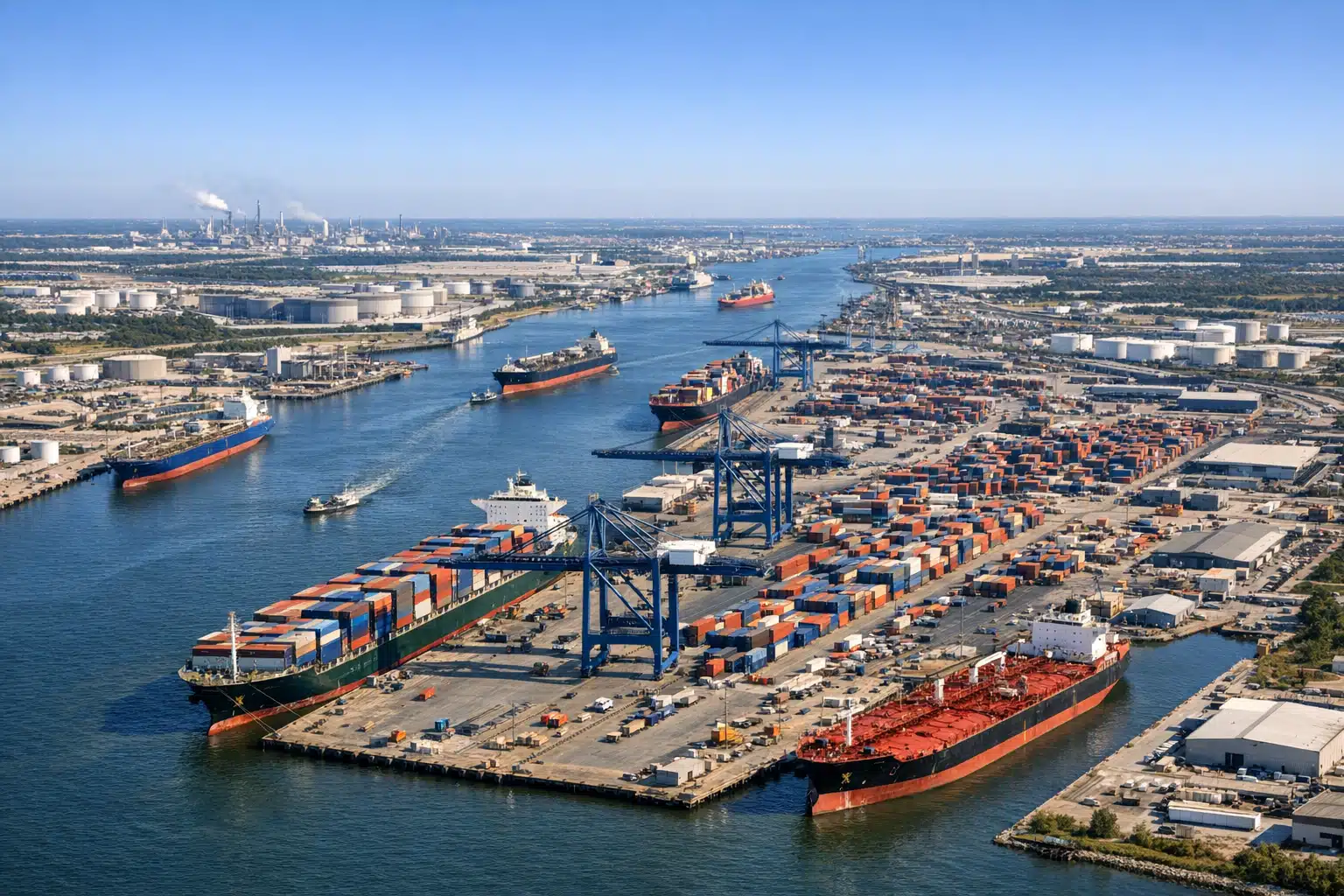
Houston's port facilities face unique security challenges due to their massive operations, handling over 285 million tons of cargo annually. These challenges necessitate specialized security solutions to protect the infrastructure, manage risks associated with high traffic, and ensure the safety of personnel and goods.
Understanding Houston Port Security Challenges
The Port of Houston handles over 285 million tons of cargo annually, making it the second-largest port in the United States by tonnage. This massive operation creates unique security challenges that require specialized port facility security Houston solutions.
Houston’s port facilities face threats ranging from cargo theft to unauthorized vessel access. The sprawling 25-mile complex along the Houston Ship Channel demands comprehensive protection strategies.
Maritime facilities operate around the clock with multiple access points, temporary workers, and valuable cargo. These factors create vulnerabilities that standard commercial security cannot address effectively.
Critical Security Requirements for Port Facility Security Houston
Port facilities must comply with Maritime Transportation Security Act (MTSA) regulations. These federal requirements mandate specific security measures for facilities handling hazardous materials or international cargo.
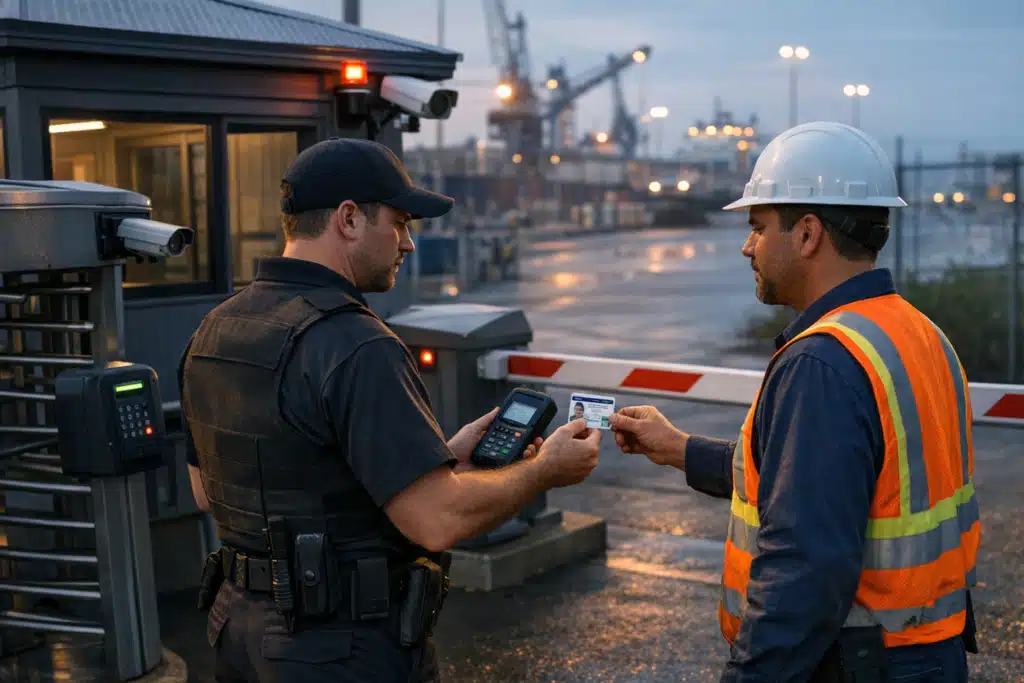
The Transportation Worker Identification Credential (TWIC) program requires controlled access systems. Security personnel must verify credentials and maintain detailed visitor logs.
Houston’s hurricane season adds another layer of complexity. Port security systems must remain operational during severe weather events while protecting valuable assets during evacuations.
Perimeter Protection Needs
Port facilities typically span hundreds of acres with waterfront access points. Traditional fencing alone cannot secure these expanses effectively.
Remote surveillance cameras with thermal imaging capabilities detect unauthorized vessels approaching from the water. These systems provide 24/7 monitoring even in Houston’s frequent fog conditions.
Motion sensors integrated with lighting systems create deterrent effects while alerting security personnel to potential breaches.
Cargo Protection Strategies
Container theft costs Houston port facilities millions annually. High-value cargo requires dedicated protection during loading, storage, and transport phases.
On-site security guards conduct regular patrols and monitor cargo movements. Their presence deters opportunistic theft while ensuring proper documentation procedures.
Remote monitoring systems track container movements through GPS technology. These systems alert managers to unexpected route deviations or extended stops.
Technology Integration for Maritime Security
Modern port security relies on integrated technology platforms. Video analytics software identifies suspicious behavior patterns automatically.
Radar systems detect small vessels approaching restricted waterways. These systems prove especially valuable during night operations when visual detection becomes difficult.
Access control systems manage multiple entry points simultaneously. Card readers, biometric scanners, and vehicle barriers work together to control facility access.
Remote Monitoring Capabilities
Remote surveillance centers monitor multiple port locations from centralized command stations. This approach reduces staffing costs while maintaining comprehensive coverage.
Real-time alerts notify security teams of detected threats instantly. Response times improve significantly when security personnel receive immediate notification of incidents.
Video recording systems provide evidence for investigations and insurance claims. High-resolution cameras capture clear images even in challenging lighting conditions.
Communication Systems
Port facilities require reliable communication between security teams, vessel operators, and emergency responders. Radio systems must function despite interference from metal containers and equipment.
Emergency notification systems alert all personnel during security incidents or severe weather events. These systems integrate with local emergency management agencies.
Two-way communication with monitoring centers ensures rapid response to developing situations.
Choosing Security Services for Houston Port Operations
Port facility managers must evaluate security providers based on maritime experience and federal compliance knowledge. Generic security companies lack the specialized training required for port operations.
Security personnel need TWIC credentials and familiarity with port protocols. Guards must understand cargo handling procedures and vessel traffic patterns.
Local providers offer advantages in emergency response coordination. Houston-based security companies maintain relationships with local law enforcement and emergency services.
Service Level Requirements
Choosing security services for port facilities involves evaluating multiple service components:
- On-site guard coverage – Armed and unarmed personnel for different facility areas
- Mobile patrol services – Regular rounds of large facility perimeters
- Access control management – TWIC verification and visitor screening
- Remote monitoring – 24/7 surveillance center operations
- Emergency response – Coordination with local authorities during incidents
Service providers should demonstrate experience with federal maritime security regulations. Compliance violations result in significant penalties and operational disruptions.
Cost Considerations
Port security budgets must balance comprehensive protection with operational efficiency. Layered security approaches often provide better cost-effectiveness than single-solution strategies.
Remote monitoring reduces the number of on-site guards required while maintaining coverage quality. This approach typically costs 30-40% less than full guard deployment.
Technology investments provide long-term savings through reduced insurance premiums and theft losses. Many systems pay for themselves within two years through prevented losses.

 Posted on Google
Hurricane and Weather Preparedness
Houston port facilities face annual hurricane threats requiring specialized security protocols. Equipment must withstand high winds while maintaining operational capability.
Evacuation procedures require security personnel to secure facilities before departing. Remote monitoring systems continue operating during storms when on-site presence becomes dangerous.
Post-storm security becomes critical as facilities restart operations. Damaged perimeter fencing and disabled lighting create increased vulnerability windows.
Equipment Resilience
Surveillance cameras require weatherproof housings rated for Category 3 hurricane conditions. Backup power systems maintain operations during extended outages.
Communication systems need redundant pathways including satellite connectivity. Cellular towers often fail during severe weather events.
Access control systems require manual override capabilities when power systems fail.
Regulatory Compliance and Documentation
MTSA compliance requires detailed security plans and regular updates. Security providers must understand these requirements and maintain proper documentation.
Incident reporting follows specific federal formats and timelines. Security teams must complete reports according to Coast Guard specifications.
Regular security assessments identify vulnerabilities and demonstrate ongoing compliance efforts. These assessments form the basis for security plan updates.
Training Requirements
Security personnel need specialized training beyond standard guard certification. Maritime security awareness and anti-terrorism courses provide necessary background knowledge.
Ongoing training updates address changing regulations and emerging threats. Annual recertification maintains compliance with federal requirements.
Emergency response drills test security procedures and identify improvement areas. These exercises involve coordination with multiple agencies and port operators.
Selecting the Right Security Partner
Port facility security requires providers with demonstrated maritime experience and local Houston knowledge. The unique challenges of port operations demand specialized expertise.
Evaluate potential providers based on their federal compliance track record and technology capabilities. Request references from other port facilities or energy companies.
Consider providers who offer integrated services combining guards, technology, and monitoring. This approach ensures better coordination and communication during incidents.
Twin City Security Houston brings extensive experience protecting Houston’s energy and maritime facilities. Our team understands federal compliance requirements and local operational challenges.
Contact Twin City Security Houston at 832‑301‑9478 or Houston@Twincitysecurity.com for a comprehensive port facility security assessment tailored to your specific operational requirements.
Sources
- Port of Houston Authority – Port Statistics
- Transportation Security Administration – TWIC Program
- Department of Homeland Security – Maritime Transportation Security Act
- U.S. Coast Guard – Maritime Security
Houston's Port facilities face significant security challenges due to their size and the volume of cargo handled. Effective security solutions must address threats like cargo theft and unauthorized access while complying with federal regulations.
- The Port of Houston is the second-largest in the U.S. by tonnage, handling over 285 million tons of cargo annually. Security measures must include compliance with the Maritime Transportation Security Act and the TWIC program.
- Port facilities require advanced technology like remote surveillance and access control systems to manage vulnerabilities and ensure 24/7 monitoring.
- Choosing the right security provider involves evaluating their maritime experience, compliance knowledge, and ability to integrate technology with on-site personnel for effective protection.
Recent Posts