
How Remote Surveillance Can Enhance Security for Houston’s Energy Sector
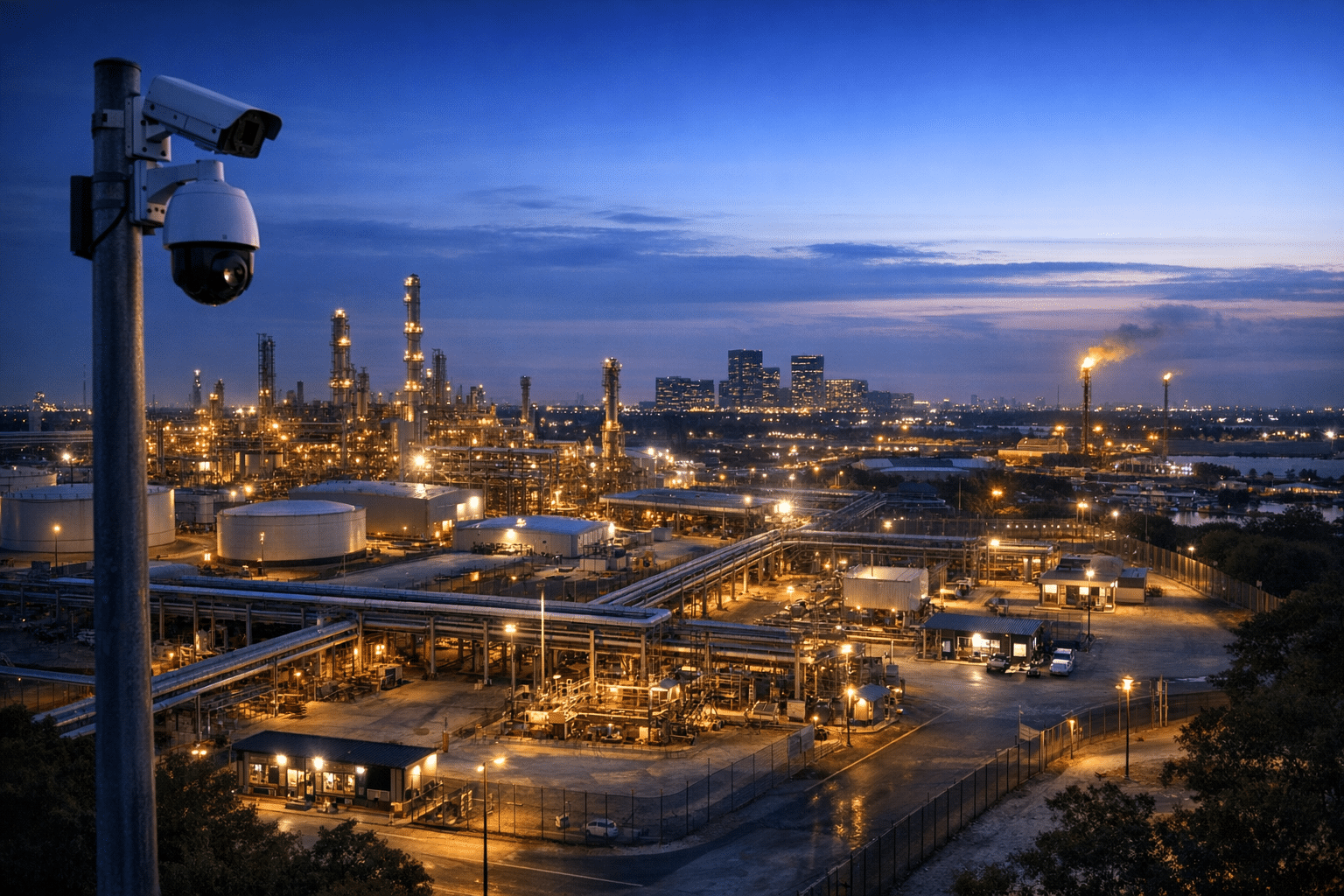
Remote surveillance enhances security for Houston's energy sector by providing real-time monitoring of critical infrastructure, deterring theft and vandalism, and enabling rapid response to security threats. It also helps protect against sophisticated cyberattacks by monitoring operational technology, ensuring a safer environment for the numerous energy companies in the area.
Houston’s Energy Infrastructure Faces Growing Security Challenges
Houston’s Energy Corridor houses over 5,000 energy companies, making it one of the world’s largest concentrations of energy facilities. These critical infrastructure sites face increasing security threats, from theft and vandalism to sophisticated cyberattacks targeting operational technology.
Remote surveillance energy sector solutions such as remote video guarding have become essential for protecting these valuable assets. Modern surveillance technology offers 24/7 monitoring capabilities that traditional security methods cannot match.
Energy facilities across the Greater Houston area require specialized security approaches that account for sprawling perimeters, hazardous materials, and strict regulatory compliance requirements.
Why Remote Surveillance Transforms Energy Facility Protection
Energy sector facilities present unique security challenges that make remote monitoring particularly valuable. These sites often span hundreds of acres with multiple entry points and critical equipment scattered across vast areas.
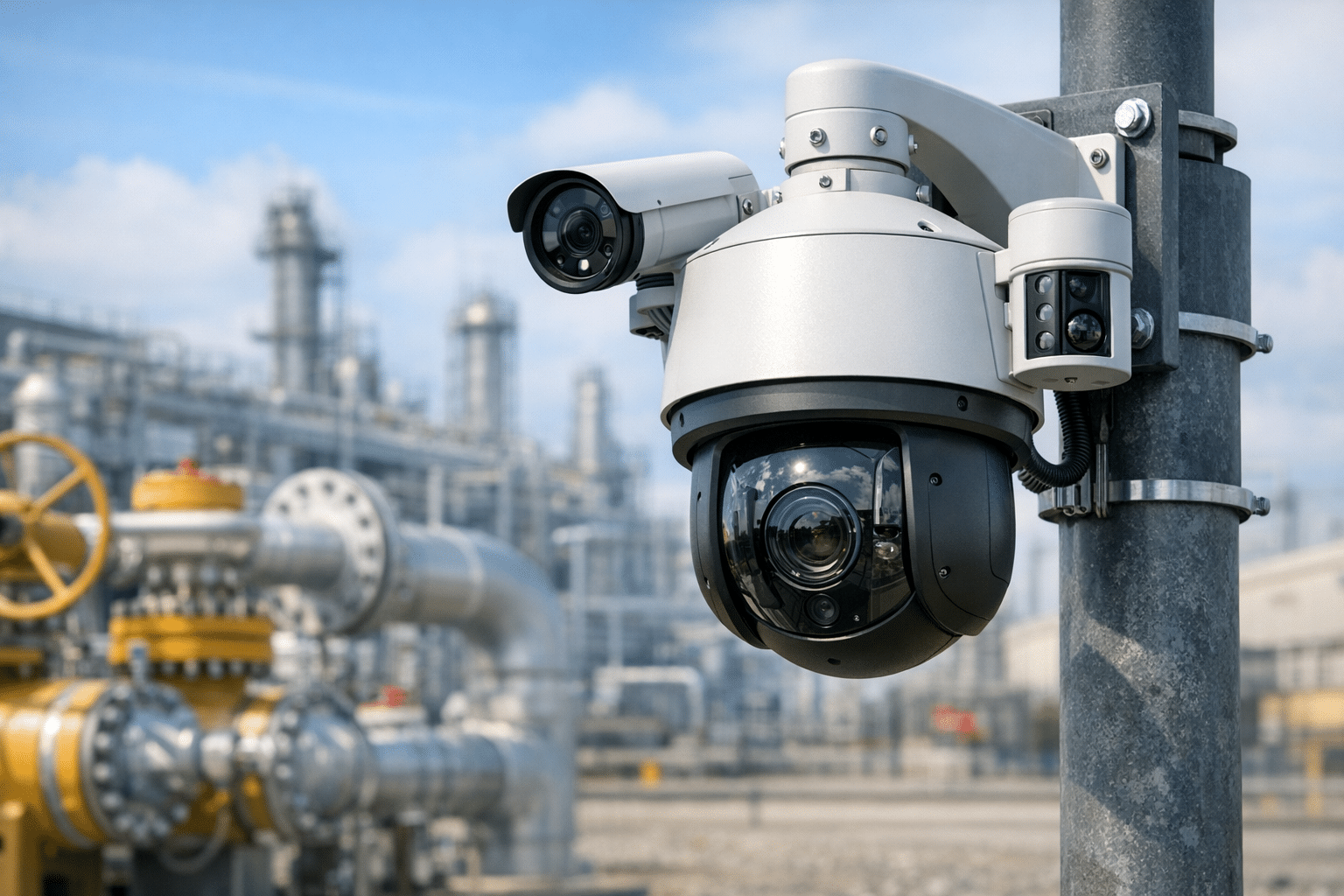
Remote surveillance systems, including remote video guarding, provide comprehensive coverage without requiring physical guards at every location. This approach proves especially effective for protecting unmanned facilities, remote wellheads, and pipeline infrastructure common throughout Harris County.
Key Advantages for Houston Energy Operations
- Continuous monitoring: 24/7 surveillance without shift changes or human fatigue
- Weather resilience: Systems operate through Houston’s extreme weather conditions
- Rapid response: Immediate alerts from remote video monitoring systems enable faster emergency response times
- Evidence collection: High-definition recording provides clear documentation for investigations
- Cost efficiency: Lower operational costs compared to multiple on-site security guards
Advanced Technology Features for Energy Sector Security
Modern remote surveillance systems incorporate sophisticated technology designed specifically for industrial environments. These systems go far beyond basic security cameras.
Intelligent Detection Systems
Advanced analytics distinguish between routine activity and potential threats. The systems can identify unauthorized vehicles, detect perimeter breaches, and recognize unusual behavior patterns around critical equipment.
Thermal imaging capabilities prove particularly valuable for energy facilities. These cameras detect heat signatures even in complete darkness, making them ideal for monitoring remote pipeline sections and offshore platforms.
Integration with Existing Systems
Remote surveillance platforms integrate seamlessly with existing security infrastructure. This includes access control systems, fire suppression equipment, and emergency communication networks already in place at most energy facilities.
The integration capability allows facility managers to monitor all security systems from a single dashboard, improving response coordination during emergencies.
Protecting Different Types of Houston Energy Facilities
Each type of energy facility requires tailored surveillance approaches based on specific operational needs and security risks.
Refinery and Chemical Plant Security
Refineries along the Houston Ship Channel face complex security challenges due to their size and hazardous processes. Remote surveillance systems monitor multiple zones simultaneously, including:
- Perimeter fencing and entry gates
- Storage tank farms and loading areas
- Process units and control rooms
- Marine terminals and dock facilities
Explosion-proof camera housings ensure equipment operates safely in potentially hazardous atmospheres common in these environments.
Pipeline and Distribution Networks
Pipeline infrastructure spans thousands of miles across Southeast Texas. Remote monitoring stations positioned at key intervals provide visibility over vast networks without requiring constant physical patrols.
Solar-powered surveillance units offer flexibility for remote locations where traditional power connections prove impractical or expensive.
Power Generation Facilities
Natural gas plants and renewable energy installations require specialized security approaches. Remote surveillance systems monitor transformer yards, generation equipment, and control facilities while maintaining compliance with NERC CIP standards.
Hurricane Season and Weather Resilience
Houston’s location along the Gulf Coast requires security systems that withstand extreme weather conditions. Hurricane season presents particular challenges for energy facility security.
Remote surveillance systems equipped with storm-rated housings and backup power systems continue operating when traditional security measures fail. This capability proves critical during evacuation periods when facilities operate with minimal staffing.
Pre-Storm Preparation
Advanced surveillance systems help facility managers monitor pre-storm preparations remotely. Cameras verify that equipment is properly secured and storage areas are prepared for high winds.
During storm events, remote monitoring allows operators to assess damage and plan recovery efforts without immediately sending personnel into potentially dangerous conditions.
Compliance and Regulatory Benefits
Energy facilities must comply with numerous federal and state security regulations. Remote surveillance systems help demonstrate compliance while providing documentation required by regulatory agencies.
The systems maintain detailed logs of all security events, creating comprehensive records for regulatory reporting and insurance purposes. This documentation proves valuable during inspections and incident investigations.
MTSA and CFATS Compliance
Facilities subject to Maritime Transportation Security Act (MTSA) or Chemical Facility Anti-Terrorism Standards (CFATS) requirements benefit from remote surveillance capabilities that meet specific regulatory standards.
Remote monitoring helps maintain required security zones and provides the continuous surveillance many regulations mandate for critical infrastructure protection.

 Posted on Google
Cost-Effective Security Enhancement for Houston Energy Companies
Houston security enhancement through remote surveillance delivers significant cost advantages compared to traditional security approaches. Energy companies typically see 30-50% cost reductions while improving overall security effectiveness.
The technology eliminates many expenses associated with on-site security guards, including overtime costs, benefits, and shift coverage challenges. Remote monitoring centers can oversee multiple facilities simultaneously, maximizing efficiency.
Return on Investment Factors
- Reduced theft and vandalism: Visible surveillance systems deter criminal activity
- Lower insurance premiums: Enhanced security often qualifies for insurance discounts
- Faster incident response: Quick response reduces potential damage and losses
- Operational efficiency: Remote monitoring reduces the need for physical security patrols
Choosing the Right Remote Surveillance Provider
Selecting an appropriate surveillance provider requires careful evaluation of technical capabilities, local expertise, and industry experience. Energy facilities need providers who understand both security requirements and operational constraints.
Local providers offer advantages in terms of response times, regulatory knowledge, and familiarity with Houston-area challenges including weather patterns and crime trends.
Key Selection Criteria
- Industry experience: Proven track record with energy sector clients
- Technology capabilities: Advanced analytics and integration options
- Local presence: Houston-based support and maintenance teams
- Regulatory knowledge: Understanding of energy sector compliance requirements
- Scalability: Ability to expand systems as facilities grow
Implementation Best Practices
Successful remote surveillance implementation requires careful planning and coordination with existing operations. Energy facilities should conduct thorough security assessments before system design.
The assessment process identifies critical areas requiring monitoring, evaluates existing infrastructure, and determines integration requirements with current security systems.
Phased Implementation Approach
Large energy facilities often benefit from phased implementation strategies. This approach allows operations to continue uninterrupted while new surveillance capabilities are gradually deployed.
Starting with the most critical areas and expanding coverage over time helps manage costs while ensuring essential security needs are immediately addressed.
Future Trends in Energy Sector Surveillance
Emerging technologies continue advancing remote surveillance capabilities for energy facilities. Artificial intelligence and machine learning improve threat detection accuracy while reducing false alarms.
Cloud-based platforms enable more sophisticated data analysis and provide enhanced redundancy for critical security systems. These advances make remote surveillance even more valuable for protecting Houston’s energy infrastructure.
Remote surveillance technology, including remote video guarding, offers Houston energy companies powerful tools for protecting critical infrastructure while managing security costs effectively. The combination of advanced detection capabilities, weather resilience, and regulatory compliance support makes these systems essential for modern energy operations.
Twin City Security Houston provides specialized remote surveillance solutions designed specifically for energy sector requirements. Our local expertise and advanced technology help protect Houston’s vital energy infrastructure against evolving security threats.
Contact Twin City Security Houston at 832‑301‑9478 or Houston@Twincitysecurity.com to discuss how remote surveillance can enhance security for your energy facility.
Sources
- U.S. Department of Energy – Cybersecurity for Energy Delivery Systems
- CISA – Chemical Facility Anti-Terrorism Standards
- North American Electric Reliability Corporation – Critical Infrastructure Protection Standards
Houston's energy sector faces significant security challenges, necessitating advanced remote surveillance solutions to protect critical infrastructure. These systems provide continuous monitoring, rapid response capabilities, and compliance support, making them essential for energy facilities.
- Remote surveillance offers 24/7 monitoring, enhancing security without the fatigue of human guards. It is particularly effective for unmanned facilities and vast pipeline networks.
- Advanced technology features, including intelligent detection and thermal imaging, improve threat identification and response times.
- Energy companies can achieve 30-50% cost reductions by using remote surveillance, which also helps maintain compliance with regulatory standards.
Recent Posts