
Adapting Security Plans for Houston’s Seasonal Flooding Risks
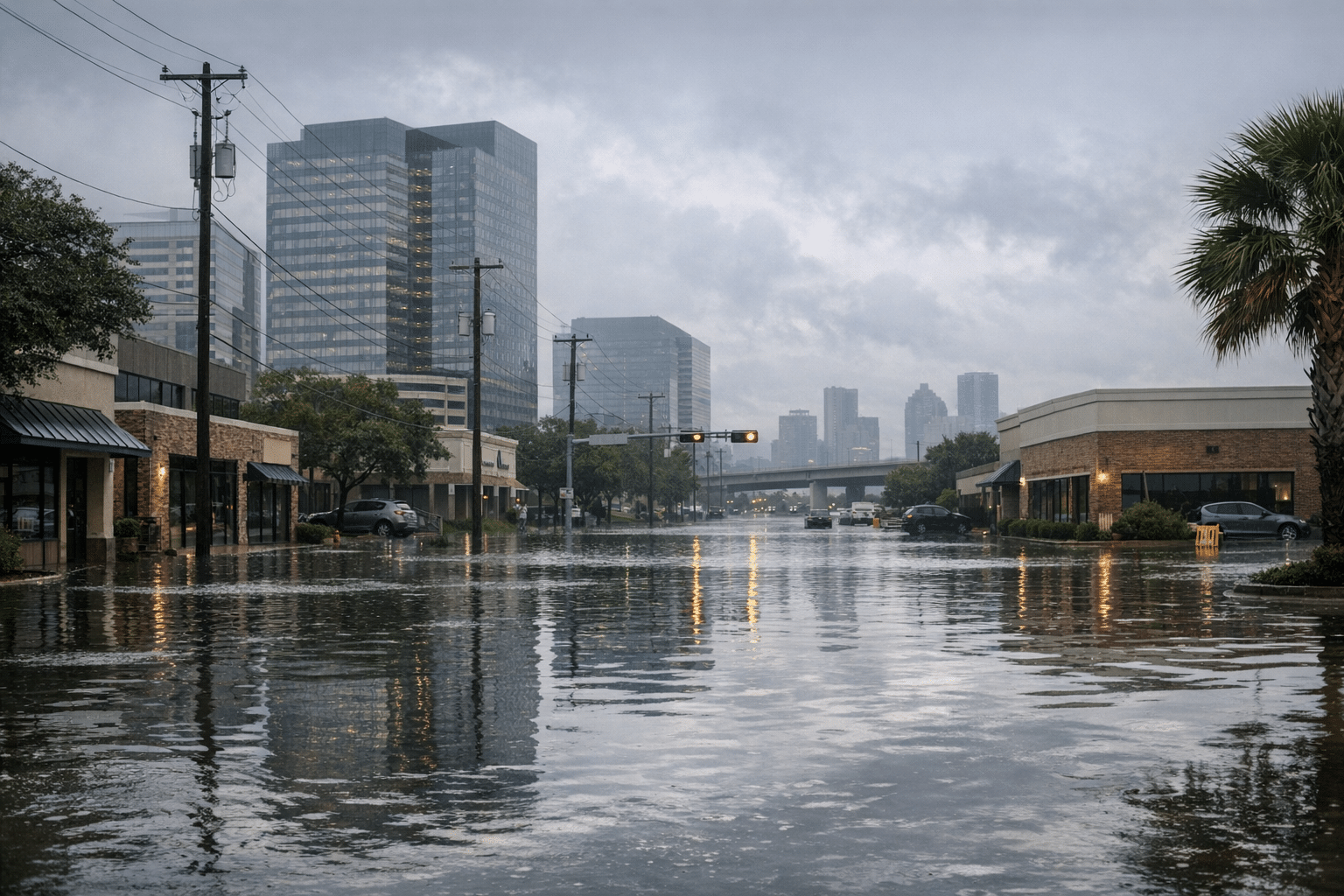
Adapting security plans for Houston's seasonal flooding risks is essential for protecting assets during heavy rainfall. Traditional security measures may fail, leaving properties vulnerable to theft and vandalism. Specialized planning ensures that businesses can maintain security and safeguard their assets even when flooding disrupts normal operations.
Houston businesses face a critical challenge during flood season. Flooding risk security Houston requires specialized planning to protect assets when traditional security measures fail. Heavy rainfall can disable security systems, prevent guard access, and create opportunities for theft or vandalism when properties appear abandoned.
Understanding how seasonal flooding impacts your security infrastructure helps prevent costly losses during Houston’s wettest months.
How Houston’s Flooding Risk Security Houston Challenges Differ
Houston receives over 49 inches of annual rainfall, with most falling between April and October. This creates security vulnerabilities unique to Gulf Coast businesses.
Electrical system failures top the list of flood-related security concerns. Water infiltration can knock out alarm systems, access controls, and lighting within hours.
Ground-level security equipment becomes particularly vulnerable. Traditional motion sensors, keycard readers, and perimeter alarms often fail when flood waters reach even modest levels.
Areas Most at Risk
Houston’s flat topography means flooding affects multiple business districts:
- Energy Corridor – Office complexes and data centers near Buffalo Bayou
- Port of Houston – Cargo facilities and industrial sites
- Clear Lake – Aerospace and manufacturing facilities
- Downtown – High-rise buildings with vulnerable parking garages
Pre-Season Security Assessment and Planning
Effective seasonal security planning starts months before Houston’s peak flood season. A comprehensive assessment identifies vulnerabilities before storms arrive.
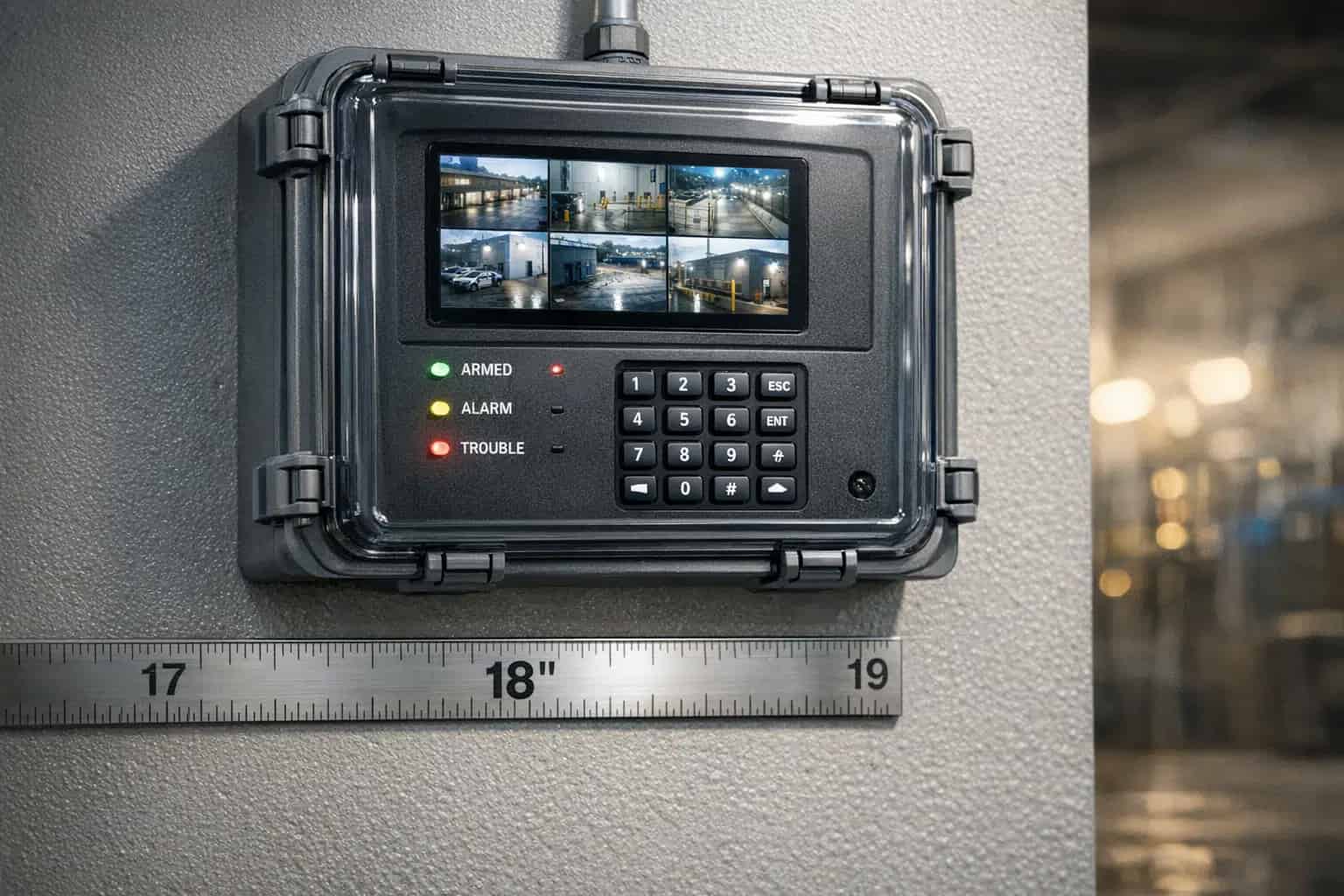
Begin by mapping your facility’s flood risk zones. Review Harris County flood maps to understand which areas of your property face the highest water exposure risk.
Critical Infrastructure Protection Steps
Protect essential security equipment through strategic placement and waterproofing:
- Elevate control panels at least 18 inches above documented flood levels
- Install backup power systems on upper floors or elevated platforms
- Waterproof junction boxes and electrical connections in vulnerable areas
- Create redundant communication paths for security monitoring
Document all security equipment locations with photos and elevation measurements. This information proves invaluable during emergency response and insurance claims.
Technology Solutions for Flood-Prone Houston Properties
Modern security technology offers flood-resistant options that maintain protection during severe weather events.
Wireless security systems eliminate many flood vulnerabilities associated with buried cables. These systems continue operating even when ground-level wiring fails.
Remote video surveillance provides continuous monitoring capability when on-site personnel cannot access facilities safely.
Recommended Flood-Resistant Technologies
- Solar-powered cameras with battery backup maintain operation during power outages
- Cellular communication systems bypass damaged landline infrastructure
- Cloud-based monitoring ensures data preservation even if local servers flood
- Waterproof access controls rated for temporary submersion
Integration between multiple systems creates redundancy. If one component fails, others continue providing security coverage.
Emergency Response Protocols During Flooding Events
Clear protocols ensure security teams respond effectively when flooding threatens Houston properties.
Establish trigger points based on National Weather Service flood warnings. When minor flood stages occur, activate enhanced monitoring procedures immediately.
Communication becomes critical during flood events. Multiple contact methods prevent isolation when primary systems fail.
Security Team Response Checklist
- Activate remote monitoring for all flood-prone areas
- Increase patrol frequency before flooding prevents access
- Secure portable assets in elevated or off-site locations
- Test backup communication systems before they’re needed
- Document property conditions with time-stamped photos
Coordinate with local emergency services to understand road closures and access limitations. This information helps security teams plan alternative routes.
Post-Flood Security Recovery and Assessment
Flooding risk security Houston planning must include comprehensive recovery procedures. Swift action prevents additional losses during the vulnerable post-flood period.
Properties appear abandoned during flood recovery, attracting opportunistic criminals. Enhanced security becomes even more critical during cleanup operations.
Begin security system testing immediately after flood waters recede. Document all damage with photos before removing or replacing equipment.
Recovery Priority Actions
- Test all electrical systems before restoring power to prevent fires
- Inspect structural integrity of fencing and barriers
- Verify communication system functionality for emergency contact
- Assess lighting systems and replace damaged fixtures promptly
Professional security assessments identify hidden damage that could compromise future protection. Water damage often affects systems gradually over weeks or months.

 Posted on Google
Insurance and Documentation Requirements
Proper documentation supports insurance claims and regulatory compliance after flood damage occurs.
Texas commercial properties must maintain specific security standards for insurance coverage. Flood damage can void policies if proper mitigation measures weren’t implemented.
Create detailed inventories of all security equipment, including serial numbers, installation dates, and maintenance records.
Essential Documentation Elements
- Pre-flood condition photos showing all security installations
- Equipment specifications and warranty information
- Professional installation certificates for complex systems
- Maintenance logs proving proper care and upkeep
Store documentation copies off-site or in cloud storage. Flood damage often destroys paper records kept on premises.
Cost-Benefit Analysis of Flood-Resistant Security
Investing in flood-resistant security systems costs less than replacing standard equipment after every major storm.
Houston experiences significant flooding approximately every three to five years. Standard security equipment rarely survives these events without expensive repairs or replacement.
Calculate potential losses from security system downtime during recovery periods. These costs often exceed the initial investment in flood-resistant alternatives.
Long-term Financial Benefits
- Reduced replacement costs after storm events
- Lower insurance premiums for properties with enhanced protection
- Minimized business interruption during flood recovery
- Decreased theft losses during vulnerable periods
Professional security providers offer financing options that spread upgrade costs over multiple years. This approach makes flood-resistant improvements more affordable.
Working with Professional Security Services
Local security providers understand Houston’s unique flooding challenges and regulatory requirements.
Professional services offer 24/7 monitoring capabilities that individual businesses cannot maintain internally. This becomes critical when flooding prevents on-site access.
Experienced providers maintain relationships with emergency services and understand local response protocols during major flooding events.
Service Selection Criteria
- Local Houston experience with flood response procedures
- Redundant monitoring systems that operate during power outages
- Emergency response capabilities during severe weather
- Insurance industry knowledge for claims support
Choose providers with proven track records during major Houston floods. References from other businesses in your industry provide valuable insights.
Houston businesses cannot afford to wait until flood season arrives to address security vulnerabilities. Proactive planning, appropriate technology selection, and professional support create comprehensive protection against seasonal flooding risks.
Contact Twin City Security Houston at 832‑301‑9478 or Houston@Twincitysecurity.com for a customized flood season security assessment tailored to your Houston property’s specific risks and requirements.
Sources
Houston businesses must adapt their security plans to address the unique challenges posed by seasonal flooding. Effective preparation and technology can help mitigate risks and protect assets during heavy rainfall.
- Houston experiences over 49 inches of rain annually, primarily from April to October, increasing security vulnerabilities. Electrical system failures and ground-level equipment are particularly at risk during floods.
- Pre-season assessments and strategic planning are essential to identify vulnerabilities and protect critical infrastructure before storms hit.
- Investing in flood-resistant security technologies can reduce long-term costs and enhance protection, making it crucial for businesses to act before flood season begins.
Recent Posts