
How to Integrate New Security Technologies into Existing Systems in Houston
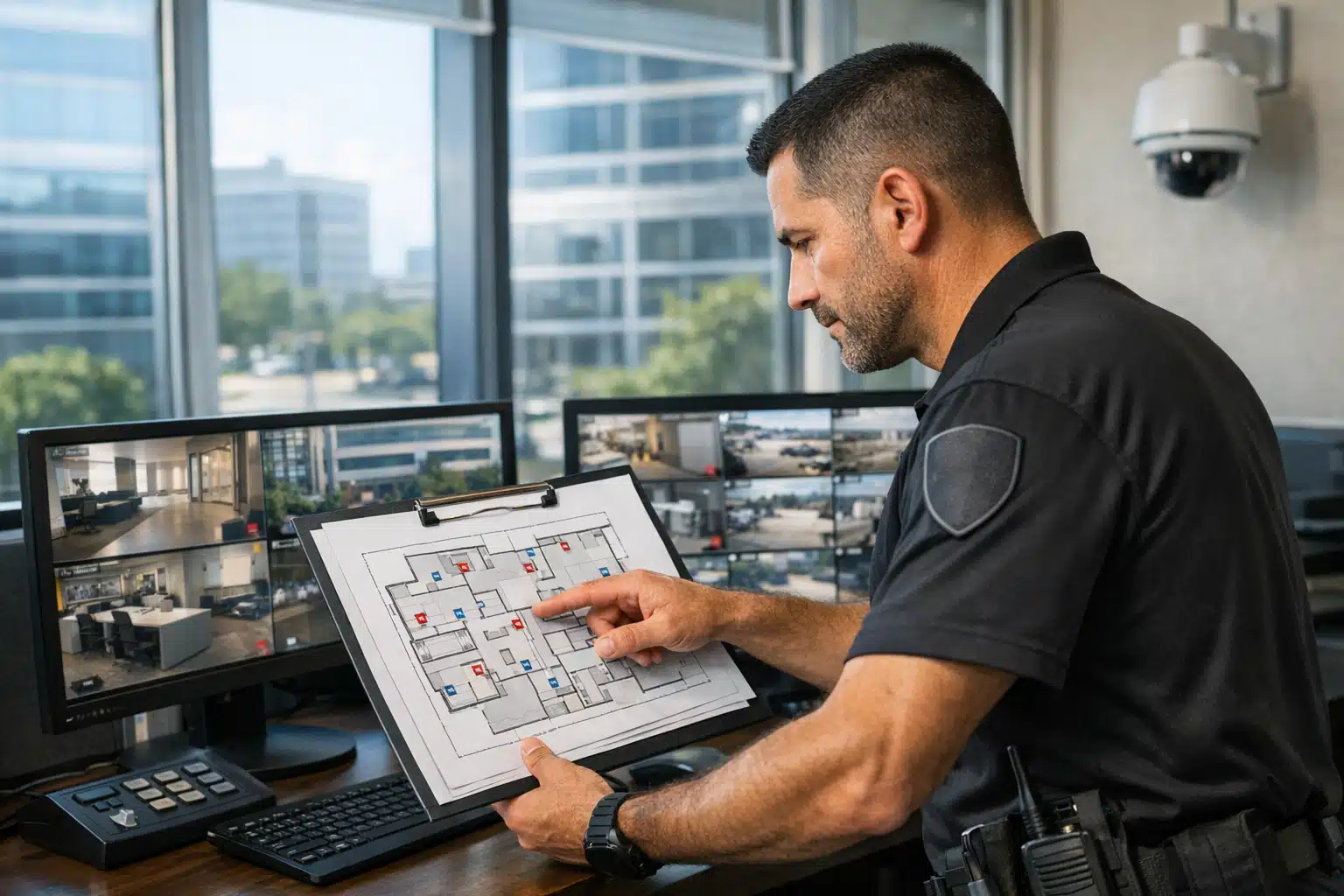
Integrating new security technologies into existing systems in Houston requires careful planning to address challenges associated with upgrading from legacy systems. Businesses should assess their current infrastructure, identify compatibility issues, and develop a structured implementation strategy to minimize integration timelines and ensure a smooth transition to modern surveillance and access control platforms.
Houston businesses face security technology integration challenges when upgrading from legacy systems to modern surveillance and access control platforms. Energy facilities in the Ship Channel area report 23% longer integration timelines when attempting upgrades without proper planning phases.
The Port of Houston’s recent security mandate changes require many facilities to upgrade their perimeter monitoring capabilities. This creates integration pressures for businesses running older CCTV systems alongside new thermal imaging requirements.
Planning Your Security Technology Integration Timeline
Integration planning starts 12-16 weeks before installation begins. Houston’s humid climate affects equipment selection and installation schedules during summer months.
Most Energy Corridor office complexes schedule major security upgrades between October and March. This timing avoids peak hurricane season and reduces weather-related delays.
Pre-Integration System Assessment
Document your current security infrastructure before adding new components. Map all existing cameras, access points, and monitoring stations across your facility.
- Camera inventory: List model numbers, installation dates, and recording capabilities
- Network capacity: Test bandwidth availability for additional IP cameras
- Power requirements: Calculate electrical load for new equipment
- Storage analysis: Review current data retention and backup systems
Refinery facilities often discover outdated coaxial cabling that requires replacement during this assessment phase. Budget an extra 15-20% for infrastructure upgrades in industrial settings.
Houston Security Systems Compatibility Requirements
Modern security platforms must integrate with existing building management systems common in downtown Houston high-rises. HVAC integration allows automated responses during security events.
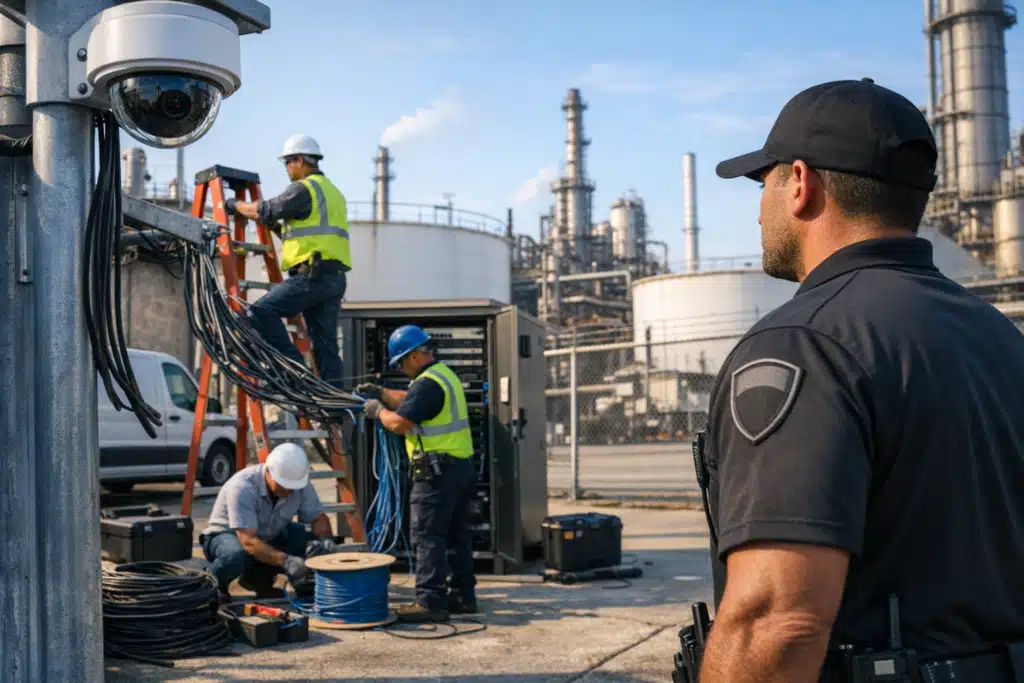
Fire alarm systems throughout Harris County follow specific code requirements. New security installations cannot interfere with existing life safety equipment or evacuation procedures.
Network Infrastructure Upgrades
IP-based security cameras require dedicated network segments to prevent bandwidth conflicts. Most Houston office buildings need switch upgrades to handle 4K video streams.
Fiber optic connections work best for large facilities spanning multiple buildings. The Texas Medical Center uses fiber backbone networks to connect security systems across campus environments.
Power Over Ethernet Planning
PoE switches eliminate separate power supplies for IP cameras and access control readers. Calculate total wattage requirements before selecting switch models.
Outdoor cameras in Houston require PoE+ power ratings due to cooling fan requirements. Summer temperatures exceed equipment operating ranges without active cooling systems.
Step-by-Step Security Technology Integration Process
Follow this sequence to minimize operational disruptions during system upgrades. Each phase includes testing points to verify functionality before proceeding.
Phase 1: Infrastructure Preparation (Weeks 1-3)
- Install network backbone: Run fiber or Cat6 cabling to all camera locations
- Upgrade electrical panels: Add circuits for PoE switches and recording equipment
- Configure network segments: Create VLANs for security device isolation
- Test bandwidth capacity: Verify network performance under full camera load
Construction sites near the Port of Houston require underground conduit installation before concrete pours. Coordinate with project schedules to avoid costly modifications.
Phase 2: Equipment Installation (Weeks 4-6)
Install new security devices while maintaining existing system operations. This parallel approach prevents security gaps during the transition period.
Mount IP cameras adjacent to analog units initially. This allows side-by-side testing and staff training before removing old equipment.
Access control readers require door frame modifications in older buildings. Historic structures in downtown Houston may need architectural review for exterior changes.
Phase 3: System Integration (Weeks 7-8)
Video management software serves as the integration hub for cameras, access control, and intrusion detection systems. Configure user permissions and monitoring protocols during this phase.
Mobile device integration allows security personnel to monitor multiple locations remotely. This capability proves valuable for companies managing facilities across Greater Houston.
Phase 4: Testing and Training (Weeks 9-10)
Run parallel systems for two weeks minimum before decommissioning legacy equipment. This overlap period identifies integration issues and allows staff adjustment time.
Document all system passwords, IP addresses, and configuration settings. Create backup files for quick system restoration if hardware failures occur.
Common Integration Challenges in Houston Facilities
Hurricane preparation requires backup power integration for security systems. Facilities without generator connections lose monitoring capabilities during extended outages.
Salt air corrosion affects outdoor equipment near Galveston Bay and the Ship Channel. Specify marine-grade housings for cameras and access control hardware.
Legacy System Migration Issues
Older CCTV systems use proprietary recording formats that resist integration with modern platforms. Plan for complete replacement rather than partial upgrades in these situations.
Analog camera feeds can integrate through encoder devices, but image quality remains limited. Budget for camera replacements within 12-18 months of initial integration.
Network Security Considerations
Security cameras create network entry points for cyber threats. Implement firewall rules and regular password updates to protect integrated systems.
Remote monitoring capabilities require secure VPN connections. Energy facilities must comply with NERC CIP standards for network access controls.

 Posted on Google
Cost Planning for Security Technology Integration
Integration costs typically range from 25-40% of total equipment expenses. Complex installations in high-rise buildings or industrial facilities require higher integration budgets.
Houston’s prevailing wage requirements affect installation labor costs for public sector projects. Factor these rates into budget planning for government facility upgrades.
Return on Investment Timeline
Integrated security systems reduce monitoring staff requirements by 30-50% compared to separate platforms. Most facilities recover integration costs within 18-24 months.
Insurance premium reductions help offset upgrade expenses. Many carriers offer discounts for facilities with integrated access control and video surveillance.
Maintenance and Support After Integration
Establish service agreements before completing system integration. Response time requirements vary based on facility criticality and operational schedules.
Update firmware and software regularly to maintain integration compatibility. Schedule updates during planned maintenance windows to avoid operational disruptions.
Train multiple staff members on system operation and basic troubleshooting. This redundancy prevents single points of failure for security monitoring capabilities.
Performance Monitoring
Track system uptime and response metrics monthly. Document any integration issues for resolution during scheduled maintenance visits.
Review storage capacity and network utilization quarterly. Plan expansion before reaching 80% capacity limits on recording or network infrastructure.
Successful security technology integration requires careful planning and phased implementation to maintain operational continuity. Houston businesses benefit from working with experienced integrators who understand local requirements and environmental challenges.
Twin City Security Houston provides comprehensive security assessments and integration planning for businesses throughout the Greater Houston area. Contact our team at 832‑301‑9478 to schedule your facility evaluation and receive a customized integration timeline for your security system upgrades.
Sources
- FBI Crime Data Explorer – Houston Metropolitan Area Statistics
- Port of Houston Authority – Port Security Requirements
- North American Electric Reliability Corporation – Critical Infrastructure Protection Standards
- U.S. Department of Energy – Critical Infrastructure Security
Houston businesses encounter challenges when integrating new security technologies with existing systems, particularly during upgrades from legacy systems. Proper planning and assessment are essential to ensure successful integration and compliance with local mandates.
- Integration planning should begin 12-16 weeks before installation to avoid delays. Businesses must document their current security infrastructure and assess network capacity and power requirements.
- Modern security systems need to work with existing building management systems, and network upgrades may be necessary to handle increased data loads.
- Facilities should budget for 25-40% of total equipment costs for integration, with many recovering expenses within 18-24 months through reduced staffing and insurance discounts.
Recent Posts