
Monitoring After-Hours: How Remote Surveillance Keeps Houston Businesses Secure
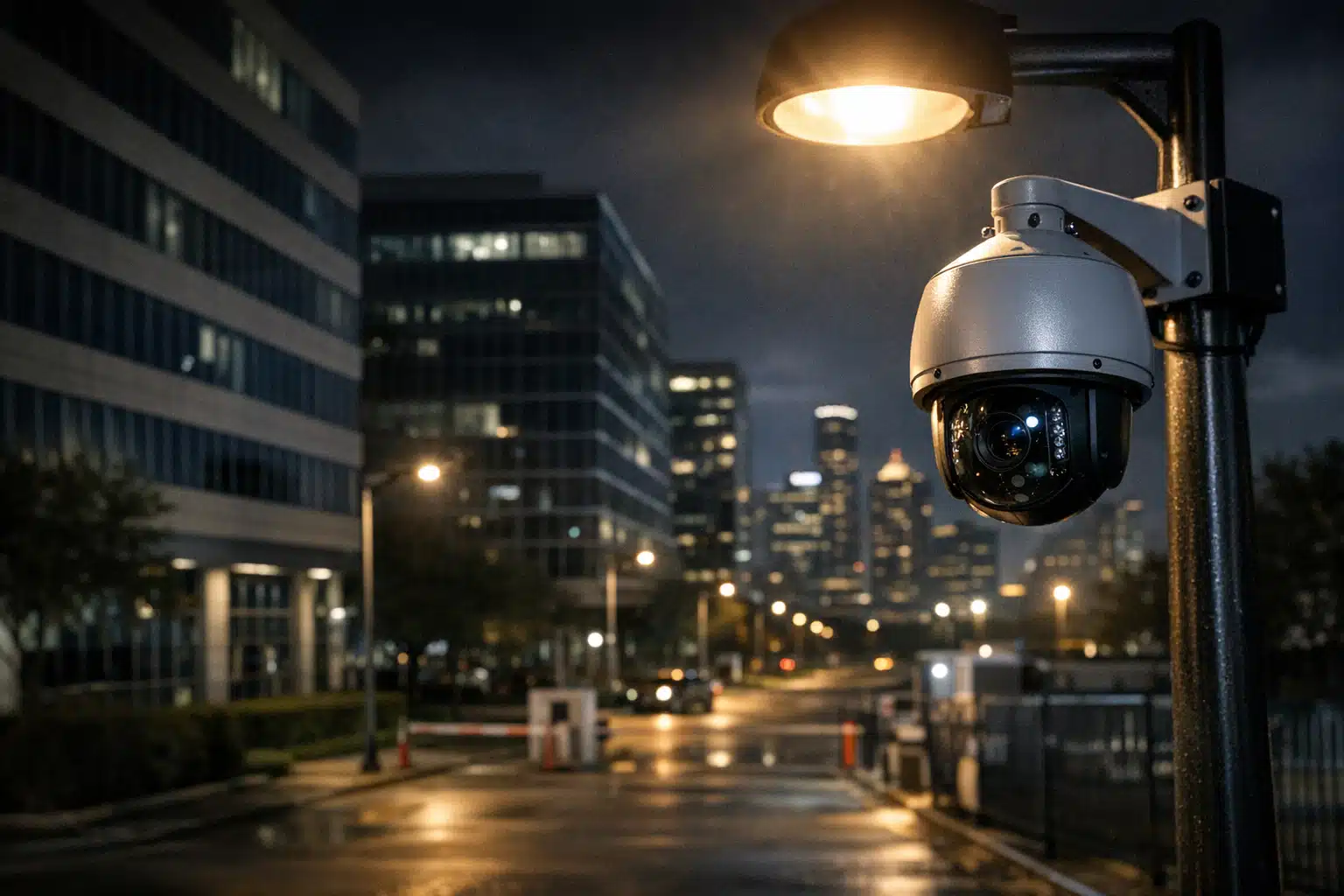
After-hours remote surveillance is crucial for Houston businesses due to a 23% higher break-in rate during non-operational hours. Areas like the Energy Corridor, Westchase, and Greenspoint experience significant nighttime property crimes, making effective monitoring essential for enhancing security and protecting assets.
Houston businesses face a 23% higher break-in rate during after-hours compared to operational periods, according to recent Harris County Sheriff’s Office data. The Energy Corridor, Westchase, and Greenspoint areas see particularly elevated nighttime property crimes between 10 PM and 6 AM.
After-hours remote surveillance transforms how Houston companies protect their assets when employees go home. This technology combination of high-definition cameras, motion sensors, and live monitoring creates a virtual security presence that deters criminals and responds to threats in real-time.
Your business investment deserves protection around the clock. Here’s how modern surveillance technology keeps Houston facilities secure during vulnerable overnight and weekend hours.
Why Houston Businesses Need After-Hours Protection
Empty buildings become prime targets for theft, vandalism, and unauthorized entry. Houston’s sprawling industrial zones and retail centers create isolated pockets where criminals operate with perceived impunity during off-hours.
The Port of Houston area experiences equipment theft spikes during shift changes and weekend periods. Construction sites in The Woodlands and Katy report material losses averaging $15,000 per incident when left unmonitored overnight.
Energy facilities face additional risks during hurricane season evacuations. Remote monitoring becomes critical when staff cannot physically secure refineries and chemical plants during mandatory evacuations along the Gulf Coast.
Peak Crime Hours in Houston
Harris County crime statistics reveal clear patterns:
- 2 AM to 4 AM: Highest break-in frequency for retail and office buildings
- Weekend nights: 40% increase in property crimes compared to weekdays
- Holiday periods: Extended closure times create extended vulnerability windows
- Weather events: Storm preparations leave facilities temporarily unguarded
How After-Hours Remote Surveillance Works
Modern surveillance systems integrate multiple detection technologies with human monitoring to create comprehensive after-hours protection. The system activates automatically when your last employee leaves.
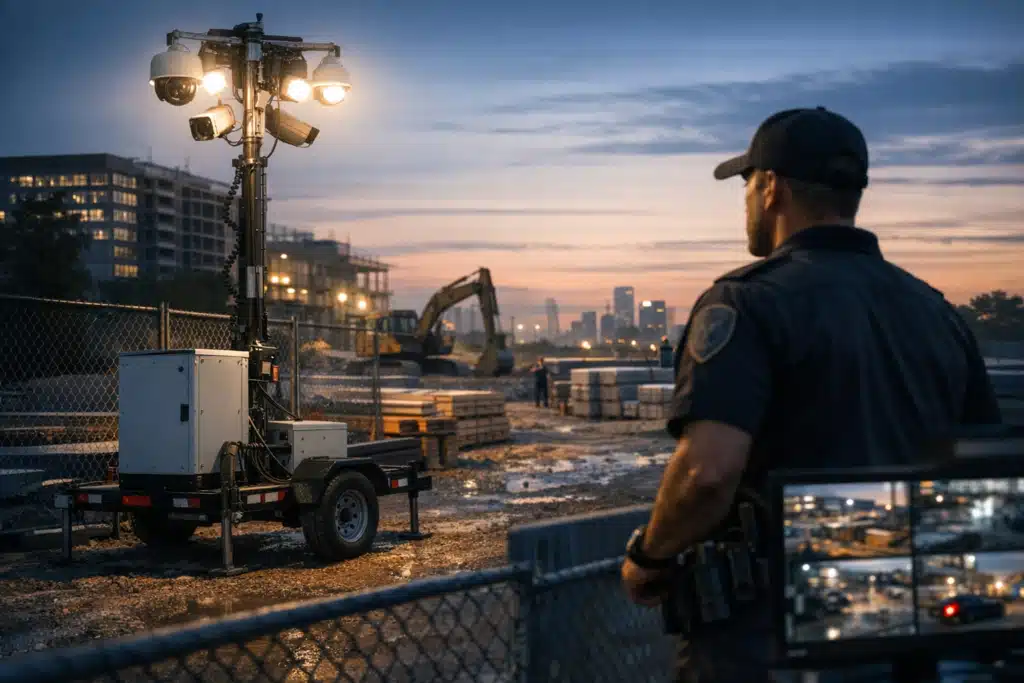
Motion-activated cameras trigger immediate alerts to monitoring stations staffed 24/7. Trained operators can distinguish between false alarms and genuine threats within seconds of activation.
Real-Time Response Capabilities
When suspicious activity triggers the system:
- Instant notification reaches monitoring operators and designated contacts
- Live video verification confirms the nature and severity of the incident
- Two-way audio communication allows operators to issue warnings to intruders
- Emergency dispatch coordination with Houston Police Department when necessary
- Continuous recording captures evidence for insurance claims and prosecution
This layered approach stops most intrusions before property damage or theft occurs. The visible camera presence alone deters 78% of potential break-ins before criminals attempt entry.
Technology Components for Complete Coverage
Effective after-hours surveillance requires strategic camera placement and sensor integration tailored to your facility’s layout and risk factors.
Camera Systems
High-definition cameras with night vision capabilities capture clear footage in complete darkness. Thermal imaging cameras detect body heat signatures even when intruders attempt to avoid traditional motion sensors.
Pan-tilt-zoom cameras allow remote operators to track suspicious individuals across large areas. These cameras can follow potential threats from parking lots to building entrances without losing visual contact.
Sensor Networks
Door and window sensors create perimeter protection that activates before intruders reach valuable equipment or inventory. Glass-break detectors identify forced entry attempts through windows or display cases.
Motion sensors with pet immunity prevent false alarms from small animals while maintaining sensitivity to human-sized movement patterns.
Communication Systems
Redundant communication pathways ensure alerts reach monitoring stations even during power outages or internet disruptions. Cellular backup systems maintain connectivity when primary communication lines fail.
Cloud-based storage preserves video evidence offsite, preventing data loss if criminals damage onsite recording equipment.
Industry-Specific After-Hours Security Needs
Different Houston business sectors face unique after-hours vulnerabilities that require customized surveillance approaches.
Energy Sector Facilities
Refineries and chemical plants in the Ship Channel area require continuous monitoring for both security and safety compliance. Federal regulations mandate specific surveillance capabilities for critical infrastructure protection.
Remote monitoring helps energy facilities maintain required security documentation during overnight operations. Automated alerts notify operators of unauthorized vehicle approaches to restricted areas around storage tanks and processing units.
Construction Sites
Construction projects in rapidly developing areas like Cypress and Tomball experience higher theft rates due to valuable copper wiring and equipment. Mobile surveillance trailers provide flexible coverage as construction zones expand and change.
Time-lapse cameras document project progress while security cameras monitor for theft. This dual-purpose approach maximizes surveillance equipment value.
Retail Centers
Shopping centers and strip malls face break-in attempts targeting cash registers and high-value merchandise. Parking lot surveillance extends protection beyond building interiors to include customer and employee vehicle safety.
Integration with existing alarm systems creates comprehensive coverage without requiring complete security infrastructure replacement.
Cost Benefits vs. Physical Security Guards
Remote surveillance delivers 24/7 protection at a fraction of physical guard costs. Three security guards covering round-the-clock shifts cost approximately $180,000 annually including benefits and insurance.
Comprehensive remote surveillance systems typically cost 60-70% less while providing consistent monitoring quality. Human guards can experience fatigue or distraction during long overnight shifts, while electronic systems maintain constant vigilance.
Return on Investment Factors
- Insurance premium reductions: Many carriers offer 10-15% discounts for monitored properties
- Theft prevention: Average equipment theft costs exceed surveillance system expenses within six months
- Liability protection: Recorded evidence protects against false injury claims
- Operational insights: After-hours footage reveals workflow inefficiencies and unauthorized activities

 Posted on Google
Integration with Existing Security Systems
Modern surveillance platforms integrate seamlessly with access control systems and intrusion alarms already protecting your facility. This integration eliminates redundant alerts while ensuring comprehensive coverage across all security components.
Smart integration allows surveillance cameras to automatically focus on doors when access cards trigger entry alerts. This coordination helps verify authorized versus unauthorized access during after-hours periods.
Mobile Access and Control
Smartphone applications allow business owners and managers to monitor their facilities remotely. Live video feeds and instant alert notifications keep you connected to your business security from anywhere in the Houston area.
Cloud-based dashboards provide historical reporting and trend analysis to identify patterns in after-hours incidents or activities.
Selecting Professional Monitoring Services
Local monitoring companies understand Houston’s unique security challenges and maintain relationships with area law enforcement agencies. This local knowledge improves response times and threat assessment accuracy.
Look for monitoring services with redundant command centers and UL-listed central stations. These certifications ensure professional standards and reliable emergency response protocols.
Service Level Considerations
Professional monitoring services should provide:
- Sub-30-second alert response times from initial detection to operator review
- Bilingual operators familiar with Houston’s diverse business community
- Direct law enforcement dispatch capabilities with verified alarm protocols
- Detailed incident reporting for insurance and legal documentation
Protecting Your Houston Business Investment
After-hours remote surveillance provides continuous protection when your Houston business is most vulnerable. The combination of advanced detection technology and professional monitoring creates a security presence that never sleeps.
Investment in comprehensive surveillance pays for itself through theft prevention, insurance savings, and operational insights. Your business deserves protection that matches Houston’s dynamic commercial environment.
Contact Twin City Security Houston at 832‑301‑9478 or Houston@Twincitysecurity.com for a customized after-hours surveillance assessment. Our local security experts understand Houston business protection needs and can design monitoring solutions that fit your facility and budget requirements.
Sources
- Harris County Sheriff’s Office – Crime Statistics and Patrol Division
- FBI – Business Crime Prevention Resources
- UL Solutions – Central Station Monitoring Certification Standards
Houston businesses experience a significant increase in break-ins during after-hours, making remote surveillance essential for protecting assets. This technology combines high-definition cameras, motion sensors, and live monitoring to create a robust security presence that deters crime and responds to threats in real-time.
- Houston's after-hours crime rate is 23% higher than during operational hours, particularly in areas like the Energy Corridor and Westchase.
- Remote surveillance systems activate automatically when employees leave, providing 24/7 monitoring and immediate alerts for suspicious activity.
- Investing in remote surveillance can reduce security costs by 60-70% compared to physical guards while enhancing overall protection and response capabilities.
Recent Posts