
Understanding Texas Security Guard Licensure: What Houston Businesses Need to Know

Texas security guard licensure is a regulatory process that ensures only qualified individuals are authorized to provide security services. This licensure is essential for businesses in Houston, especially given the rising property crime rates, as it helps maintain safety and security through trained professionals.
Why Texas Security Guard Licensure Matters for Houston Businesses
Houston property crime rates increased 8% in 2023, making professional security services more critical than ever. Texas security guard licensure protects businesses by ensuring only qualified personnel provide protection services.
Every security guard working in Texas must hold a valid license issued by the Texas Department of Public Safety (DPS). This requirement applies to all Houston businesses hiring security services, from Energy Corridor office buildings to Port of Houston facilities.
Understanding these licensing requirements helps Houston business owners make informed decisions when selecting security providers. Proper compliance protects your company from liability while ensuring effective protection.
Texas Security Guard License Requirements and Process
The Texas Department of Public Safety oversees all security guard licensing in the state. Guards must meet specific qualifications before receiving authorization to work.
Basic Eligibility Requirements
Texas security guards must satisfy these minimum requirements:
- Be at least 18 years old
- Complete high school or equivalent education
- Pass criminal background check
- Complete required training hours
- Pass state licensing examination
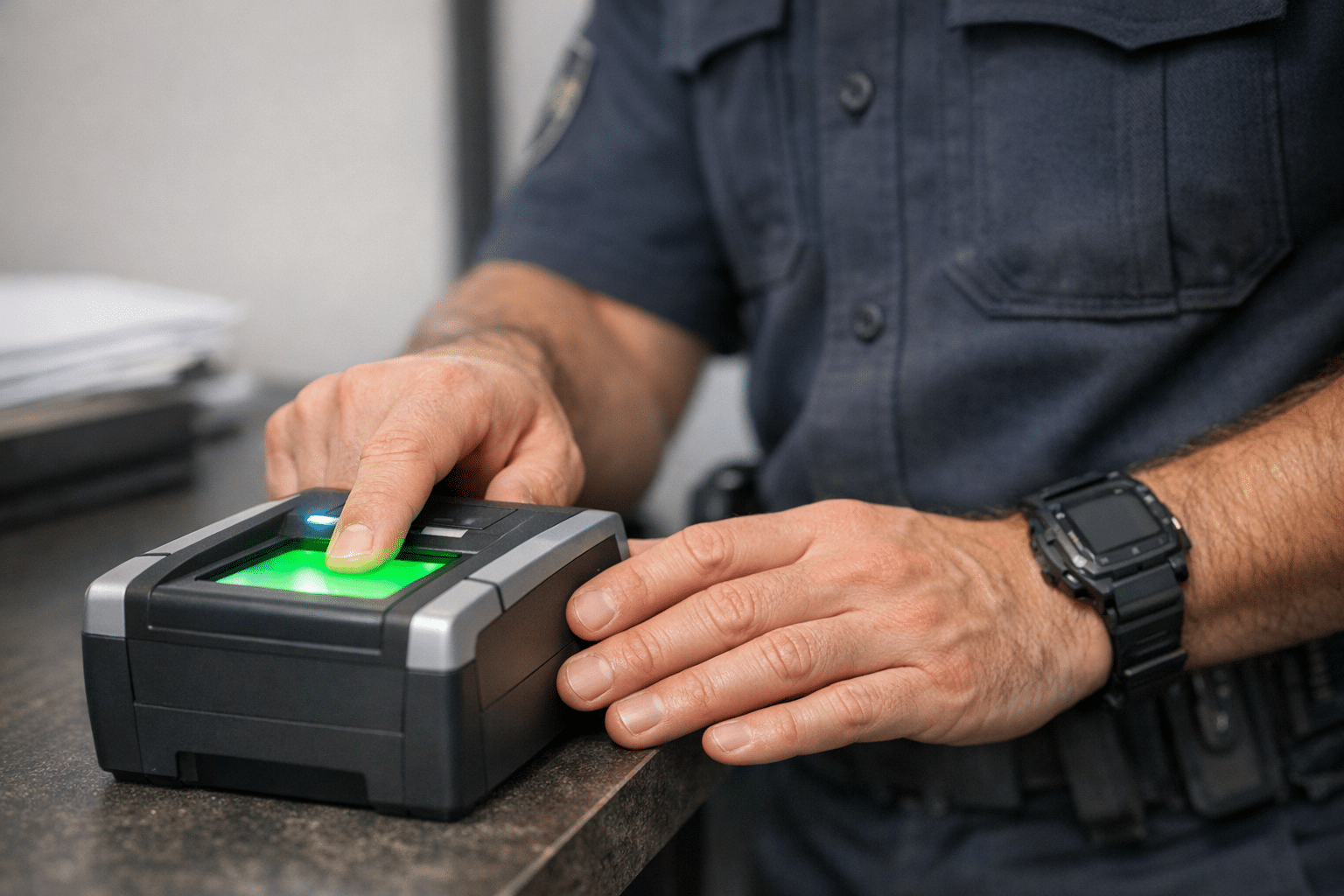
- Submit fingerprints for FBI background check
Training Requirements
Level II (unarmed) security guards must complete 40 hours of initial training. This covers topics like legal authority, emergency procedures, and report writing.
Level III (armed) security guards require additional firearms training and certification. Armed guards need ongoing qualification to maintain their weapons endorsement.
Background Check Standards
Texas conducts thorough background investigations for all security guard applicants. Disqualifying factors include felony convictions, certain misdemeanors, and mental health commitments.
The state reviews both Texas criminal history and national FBI records. This dual screening helps ensure only qualified individuals receive licenses.
Houston Business Requirements for Security Guard Verification
Houston businesses bear responsibility for verifying their security guards hold valid licenses. Hiring unlicensed guards exposes companies to significant legal and financial risks.
License Verification Process
Business owners should verify guard licenses through these steps:
- Request current license numbers from security providers
- Check license status on the DPS website
- Verify guard training certifications
- Confirm insurance coverage with security company
- Review guard employment history and references
Documentation Requirements
Maintain copies of all security guard licenses and certifications. Store these records with other employment documentation for potential inspection.
Update verification records when new guards start assignments. Some Houston businesses check license status monthly to ensure ongoing compliance.
Industry-Specific Licensing Considerations
Certain Houston industries face additional security requirements beyond basic guard licensing. Energy facilities, ports, and airports often require enhanced background checks.
Energy Sector Requirements
Houston’s energy facilities may require guards with Transportation Worker Identification Credentials (TWIC). Refineries and chemical plants often mandate specialized training for hazardous material environments.
Guards working at critical infrastructure sites undergo enhanced federal background screening. This process takes longer but provides additional security assurance.
Port and Maritime Security
Port of Houston security guards typically need TWIC certification for maritime facility access. Federal regulations require this credential for personnel entering secure port areas.
Maritime facilities also require guards familiar with Coast Guard security protocols. Specialized training covers vessel security procedures and emergency response.
Retail and Commercial Properties
Houston shopping centers and office buildings rely on licensed guards for theft prevention and access control. These guards need strong customer service skills alongside security training.
Many retail security positions require loss prevention certification. This specialized training covers shoplifting detection and evidence handling procedures.

 Posted on Google
Common Compliance Issues and How to Avoid Them
Houston businesses sometimes face problems with security guard licensing compliance. Understanding common issues helps prevent costly violations.
Expired License Problems
Security guard licenses require periodic renewal. Guards working with expired licenses put businesses at legal risk.
Establish reminder systems to track license expiration dates. Professional security companies like Twin City Security Houston maintain automated tracking to prevent lapses.
Inadequate Training Documentation
Some security providers fail to maintain proper training records. Business owners should verify guards completed required coursework before assignment.
Request copies of training certificates and continuing education records. Keep these documents accessible for regulatory inspections.
Insurance and Liability Issues
Unlicensed guards may void business insurance coverage during security incidents. Verify both guard licensing and security company insurance before hiring.
Professional security providers carry comprehensive liability insurance covering licensed personnel. This protection shields Houston businesses from potential claims.
Benefits of Working with Licensed Security Professionals
Licensed security guards provide superior protection compared to unlicensed personnel. The training and background check requirements create higher professional standards.
Enhanced Training Standards
Licensed guards understand legal limitations on their authority. They know proper procedures for detaining suspects and handling evidence.
Professional training covers emergency response, first aid, and crisis management. These skills prove invaluable during actual security incidents.
Reduced Liability Exposure
Properly licensed guards reduce business liability in several ways. Their training covers appropriate use of force and legal detention procedures.
Licensed guards also maintain professional insurance coverage. This protection helps shield businesses from potential litigation costs.
Better Customer Relations
Professional security guards project a positive image for Houston businesses. Their training includes customer service skills and professional appearance standards.
Licensed guards handle difficult situations with appropriate restraint. This professionalism protects business reputations while maintaining security.
Choosing the Right Licensed Security Provider in Houston
Selecting a qualified security company requires careful evaluation of licensing compliance and professional standards. Look for providers with strong local reputations and comprehensive training programs.
Key Selection Criteria
Evaluate security providers using these important factors:
- All guards hold current Texas licenses
- Company maintains comprehensive insurance coverage
- Proven track record with Houston businesses
- Ongoing training programs for personnel
- 24/7 supervision and support capabilities
- Industry-specific experience and certifications
Questions to Ask Potential Providers
Interview security companies to assess their licensing compliance and professional capabilities. Ask about their guard screening processes and training programs.
Request references from similar Houston businesses. Contact these references to verify service quality and reliability.
Inquire about backup staffing procedures for sick calls or emergencies. Reliable providers maintain adequate licensed personnel to ensure continuous coverage.
Understanding Texas security guard licensure requirements helps Houston businesses make informed security decisions. Proper compliance protects companies while ensuring effective protection from qualified professionals. Working with experienced providers simplifies the verification process and reduces compliance risks.
Twin City Security Houston maintains fully licensed security personnel for all client assignments. Contact our team at 832‑301‑9478 or Houston@Twincitysecurity.com to discuss your Houston business security needs and licensing compliance requirements.
Sources
- Texas Department of Public Safety – Private Security Bureau
- FBI – Identity History Summary Checks
- Transportation Security Administration – TWIC Program
Texas security guard licensure is essential for Houston businesses to ensure they hire qualified personnel for protection services. Understanding the licensing requirements helps companies mitigate legal risks and enhance security effectiveness.
- Every security guard in Texas must hold a valid license from the Texas Department of Public Safety. Businesses are responsible for verifying the licenses of their security personnel to avoid legal issues.
- Security guards must meet specific eligibility criteria, including age, education, and background checks, along with completing required training hours.
- Licensed guards provide better protection and reduce liability for businesses, as they are trained in legal procedures and emergency response.
Recent Posts