
The Impact of Summer Crime Spikes on Houston’s Retail Security
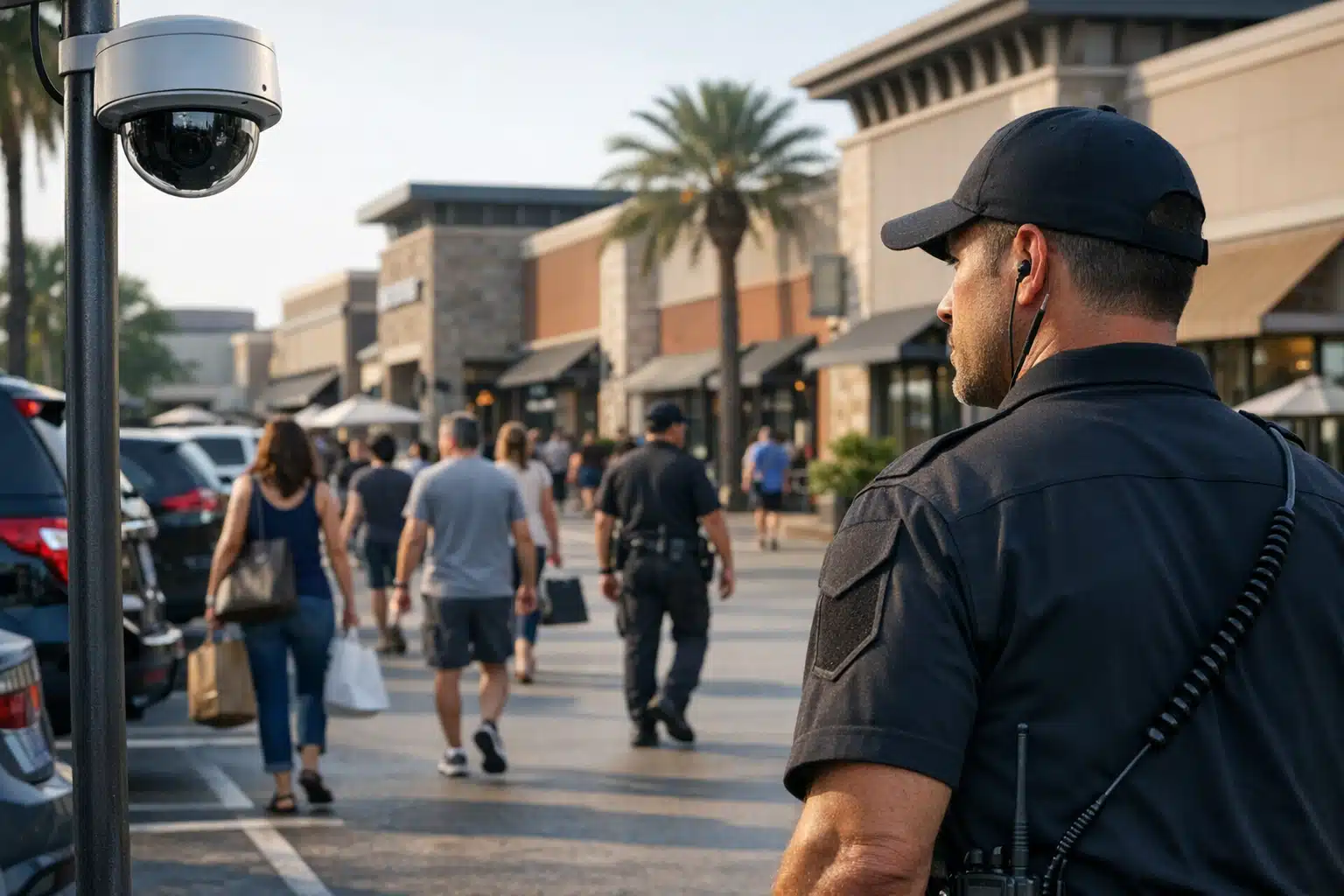
Why Summer Crime Spikes Hit Houston Retailers Hardest
Houston sees measurable increases in property crime between June and August. Warmer months bring longer daylight, more foot traffic, and more opportunity for theft.
For store owners, summer crime spikes translate into direct financial loss. Shoplifting, smash-and-grab incidents, and organized retail theft all rise when temperatures climb.
This post breaks down why summer drives retail theft in Houston, which store types face the highest risk, and the concrete steps that reduce loss. The focus stays on local data and practical action.
What Drives Summer Crime Spikes in Retail Settings
Summer crime spikes follow predictable patterns. Several conditions overlap during Houston’s hottest months.
- School breaks put more juveniles in shopping centers during weekday hours.
- Extended daylight means longer operating windows and more cover for repeat offenders casing stores.
- Higher foot traffic lets shoplifters blend into larger crowds.
- Staffing gaps from employee vacations leave floors under-watched.
- Extreme heat pulls staff attention toward HVAC issues and customer comfort, away from loss prevention.
Houston’s climate adds a specific pressure. When outdoor temperatures pass 100°F, indoor retail spaces fill with people escaping the heat. Not all of them are shopping.
Which Houston Retail Areas Face the Most Risk
Certain areas report higher summer theft activity. Store density and access matter.
- Katy shopping corridors along I-10 see heavy summer traffic and quick highway getaways.
- Galleria-area retail draws large crowds that mask organized theft crews.
- Clear Lake strip centers face after-hours break-ins when stores sit empty overnight.
- The Woodlands outdoor malls deal with parking-lot theft during peak weekend hours.
Each area needs a different watch strategy. A high-volume Galleria store fights in-store shoplifting. A Clear Lake strip center fights overnight entry.
How Summer Theft Affects Your Bottom Line
Retail loss is not just missing inventory. It compounds across several areas.
- Direct product loss from stolen merchandise reduces margins already thin in retail.
- Property damage from forced entry means repair costs and downtime.
- Higher insurance premiums follow repeated claims.
- Staff turnover rises when employees feel unsafe on the floor.
- Customer avoidance hurts sales when shoppers sense a store is a theft target.
Organized retail theft crews study patterns. They return to stores that show weak coverage during summer staffing gaps.
Building Retail Security for Houston’s Summer Months
Retail security during summer requires layered coverage. A single camera or one guard rarely stops determined theft.
Step 1: Map Your High-Loss Zones
Identify where theft concentrates. Small, high-value items near exits face the most risk.
Fitting rooms, blind corners, and unstaffed entrances need attention first. Walk your floor and note every spot a camera cannot see.
Step 2: Add Visible Deterrents
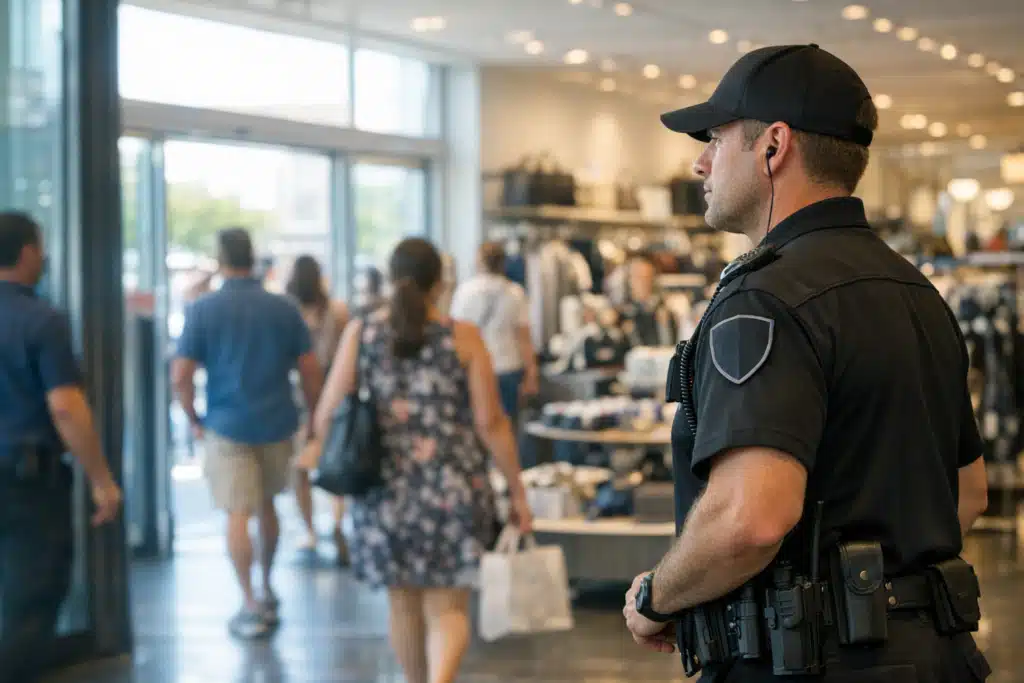
Visible security reduces impulse theft. Uniformed guards at entrances signal that a store watches closely.
Position deterrents where offenders make decisions. That means entrances, checkout lanes, and parking lot edges.
Step 3: Cover After-Hours Gaps With Remote Monitoring
Overnight break-ins climb in summer. Remote video surveillance covers hours when no staff remain.
Live monitoring lets trained operators spot activity and respond in real time. This matters for Clear Lake and Katy strip centers that sit empty after 9 p.m.
Step 4: Coordinate Staff and Security Schedules
Vacation schedules create predictable weak points. Match guard coverage to your thinnest staffing days.
Weekday afternoons during school break carry elevated juvenile theft risk. Weekend evenings draw larger crowds and organized crews.
On-Site Guards Versus Remote Surveillance for Retail
Both approaches reduce summer theft. The right mix depends on your store type and hours.
When On-Site Guards Work Best
- High-traffic stores with frequent in-person theft.
- Locations with cash handling and valuable merchandise.
- Stores that need customer-facing presence and quick response.
A guard on the floor stops theft before it happens. Presence alone turns away casual offenders.
When Remote Monitoring Fits
- After-hours coverage for closed stores.
- Large parking lots and loading areas.
- Multi-location retail groups needing centralized watch.
Remote surveillance covers wide areas at lower cost than round-the-clock guards. Many Houston retailers pair both.

 Posted on Google
A Combined Approach for Houston Retail Centers
The strongest coverage layers guards and cameras. Each fills the gaps of the other.
Consider a Katy shopping center running this setup:
- Daytime guard patrols the storefront and lot during peak hours.
- Remote monitoring takes over overnight and on weekends.
- Camera analytics flag loitering near entrances after close.
- Rapid dispatch alerts law enforcement to active break-ins.
This model keeps costs controlled while covering every hour. Retailers pay for on-site presence only when foot traffic demands it.
Texas Regulations Retailers Should Know
Texas requires licensed security personnel for armed and unarmed guard work. The Texas Department of Public Safety oversees this through the Private Security Bureau.
Hiring licensed guards protects your business from liability. Unlicensed security creates legal exposure if an incident occurs.
Verify that any provider holds a current Texas company license. Ask for proof before signing any agreement.
Preparing Your Store Before Summer Peaks
Early preparation reduces loss. Start assessing your store in spring, before crowds build.
- Test all cameras and replace failing units before summer heat strains them.
- Review lighting in parking lots and rear entrances.
- Train staff on loss prevention and safe response protocols.
- Schedule security coverage around known busy weekends and holidays.
- Post clear signage stating that the property is monitored.
Houston’s Fourth of July weekend and back-to-school shopping periods draw the biggest crowds. Lock in coverage for those dates early.
Conclusion
Summer crime spikes bring real financial risk to Houston retailers, from daytime shoplifting to overnight break-ins. Layered coverage that combines on-site guards with remote monitoring closes the gaps that summer staffing shortages create.
Twin City Security Houston builds retail security plans matched to your store type, hours, and location. Call 832‑301‑9478, email Houston@Twincitysecurity.com, or visit https://www.twincitysecurityhouston.com for a Houston security assessment.
Sources
Recent Posts